Leitfaden
So wählen Sie ein Enterprise Legal Management System aus (ELM-Leitfaden für interne Rechtsabteilungen)
Die Auswahl eines Rechtsmanagementsystems für Unternehmen ist mehr als nur ein Vergleich von Funktionslisten, Demos und Anbieterversprechen. Für interne Rechtsabteilungen ist es eine langfristige operative Entscheidung. Eine Entscheidung, die darüber bestimmt, wie die Rechtsabteilung unternehmensweit Transparenz, Einheitlichkeit und Kontrolle gewährleistet.
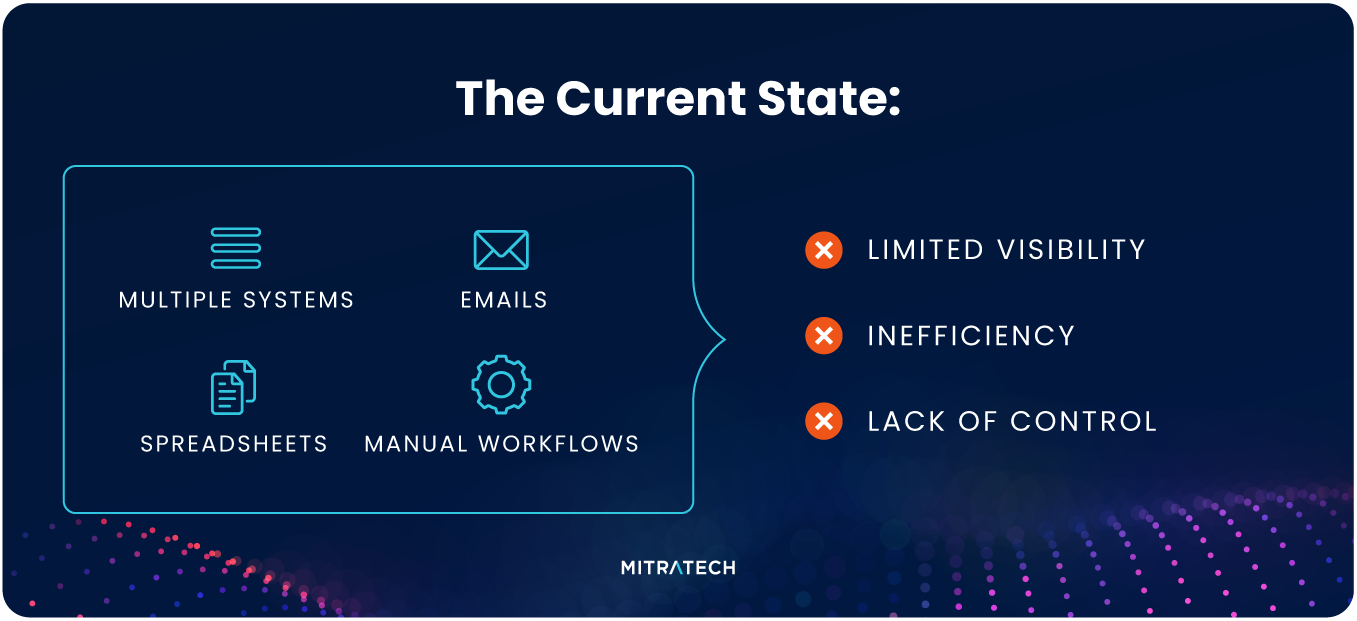
Ein ungeeignetes System weist nicht nur Funktionslücken auf. Es führt dazu, dass Teams mit voneinander getrennten Tools, manuellen Prozessen und lückenhaften Berichten arbeiten müssen, die die Fragen der Führungskräfte nie wirklich beantworten.
Da Rechtsabteilungen mit einem wachsenden Fallvolumen, dem Druck, die Ausgaben für externe Rechtsberater zu kontrollieren, und steigenden Erwartungen an eine transparentere Leistungsberichterstattung konfrontiert sind, spielen unternehmensweite Rechtsmanagementsysteme eine zentrale Rolle bei der Strukturierung, Verwaltung und Messung der juristischen Arbeit im gesamten Unternehmen.
Den Benchmarking-Ergebnissen der Association of Corporate Counsel zufolge machen die Ausgaben für externe Rechtsberater einen erheblichen Teil der Budgets der Rechtsabteilungen aus, weshalb Transparenz und Kontrolle für die Teams im Bereich Legal Operations oberste Priorität haben.
Beim Vergleich verschiedener Optionen lautet die wichtigste Frage nicht, welche Plattform die umfangreichste Funktionsliste bietet. Vielmehr geht es darum, ob das System der Rechtsabteilung ein echtes „System of Record“ bietet, rechtsspezifische Arbeitsabläufe unterstützt und sich an die tatsächlichen Arbeitsweisen Ihrer Abteilung und der Stakeholder im Unternehmen anpasst.
Wie trifft man eine Auswahl unter den Rechtsmanagementsystemen für Unternehmen?
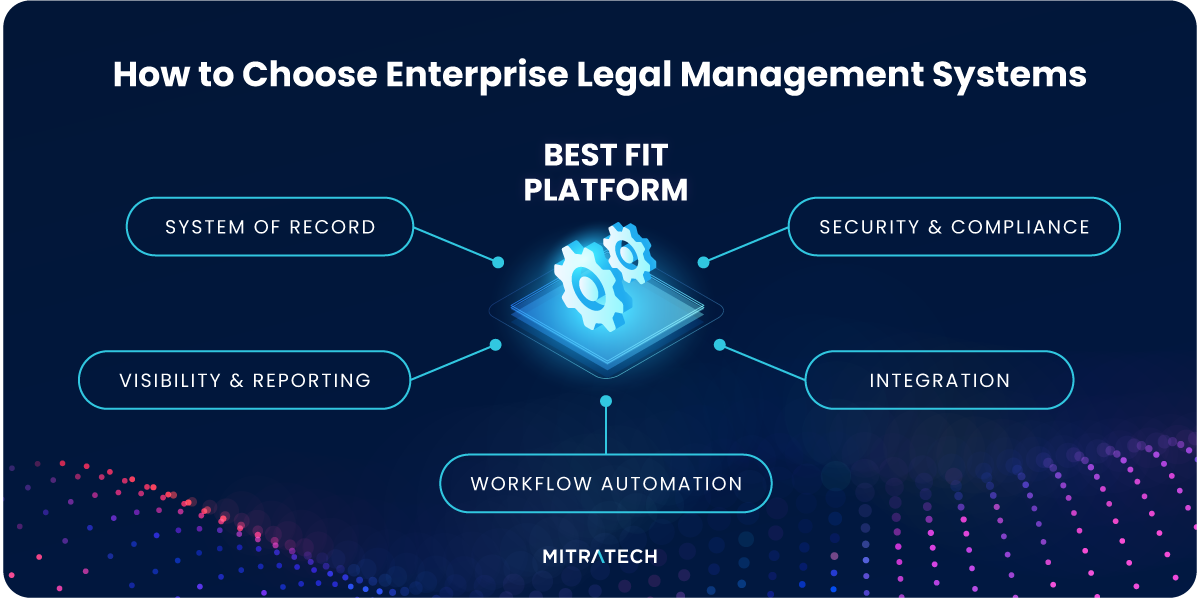
Um zwischen verschiedenen Systemen für das Rechtsmanagement in Unternehmen zu wählen, sollten Sie bewerten, inwieweit die jeweilige Plattform folgende Kriterien erfüllt:
- Bündelt die juristische Arbeit in einem einzigen System zur Datenerfassung
- Unterstützt das Fallmanagement, das Ausgabenmanagement, die Fallerfassung, die Triage und das Berichtswesen
- Verbessert den Überblick über Vorgänge, Ausgaben und Leistung
- Reduziert den manuellen Aufwand durch Automatisierung und standardisierte Prozesse
- Lässt sich in Unternehmenssysteme und Geschäftsabläufe integrieren
- Unterstützt Sicherheit, Compliance und Nachvollziehbarkeit
- Entspricht den Anforderungen der Rechtsabteilung und funktionsübergreifender Interessengruppen
Das richtige System ist dasjenige, das das tatsächliche Arbeitsmodell Ihrer Rechtsabteilung unterstützt, die Effizienz steigert und dem Unternehmen bessere Einblicke für die Planung und Entscheidungsfindung bietet.
Warum die Wahl des richtigen ELM-Systems entscheidend ist
Beim Enterprise Legal Management geht es nicht nur um die Digitalisierung der juristischen Arbeit. Es geht darum, der Rechtsabteilung eine zentralisierte, nachvollziehbare und skalierbare Arbeitsweise zu ermöglichen. Eine leistungsstarke ELM-Lösung kann dabei helfen:
- Effizienz steigern
- Ergebnisse verbessern
- Kosten senken
- Umsatz sichern
- Verbesserung der Entscheidungsfindung durch mehr Transparenz und ein besseres Berichtswesen
Außerdem kann dies die Zusammenarbeit mit den Bereichen Beschaffung, IT, Finanzen, Kreditorenbuchhaltung und anderen Akteuren stärken, die Einfluss auf den Rechtsbetrieb haben.
In der Praxis wird hier oft deutlich, worauf es bei vielen Bewertungen ankommt. Rechtsabteilungen entscheiden sich selten zwischen einer „guten“ und einer „schlechten“ Plattform (auch wenn es natürlich Warnsignale gibt, auf die man achten sollte!). Vielmehr wählen sie zwischen Systemen, die auf dem Papier ähnlich aussehen, sich jedoch erheblich darin unterscheiden, wie gut sie die Einführung, das Berichtswesen, die Governance und die langfristige operative Reife unterstützen.
Schritt für Schritt: So bewerten Sie Rechtsmanagementsysteme für Unternehmen
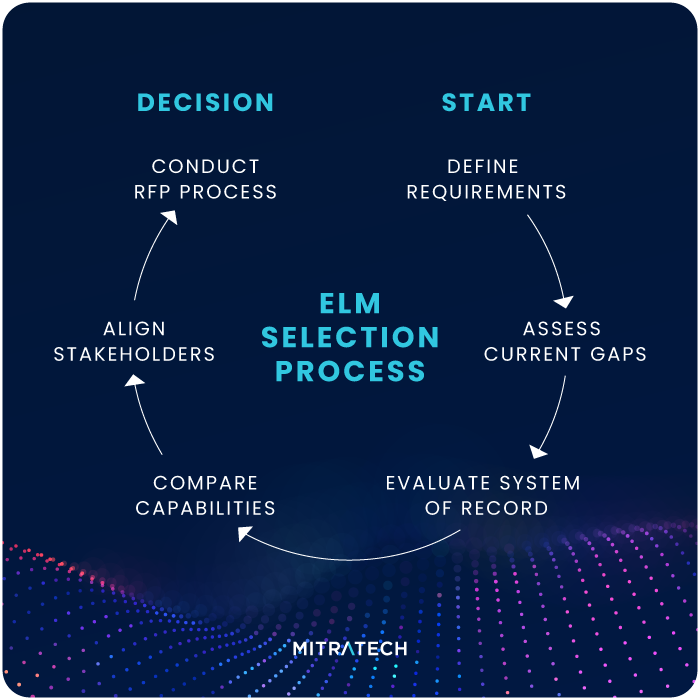
1. Gehen Sie von den Bedürfnissen und Anforderungen der Nutzer aus
Bevor Sie Anbieter bewerten, sollten Sie festlegen, welche Mitarbeiter, Tätigkeitsbereiche und Prozesse am meisten von einer Verbesserung profitieren würden.
Arbeiten Sie mit den Beteiligten und Endnutzern zusammen, um Folgendes festzulegen:
- Geschäftsprozesse
- Operative Herausforderungen
- Anforderungen der Nutzer
- Geschäftsziele
- Aktuelle Engpässe und Informationslücken
Dadurch bleibt die Bewertung an den tatsächlichen Bedürfnissen orientiert und nicht am Produktmarketing.
Mitratech-Expertenmeinung: Die besten Bewertungen beginnen bei der eigentlichen Arbeit. Wenn Sie zunächst mit Demos beginnen, bevor Sie festgelegt haben, wie die Fallerfassung, die Aktualisierung von Fallunterlagen, die Rechnungsprüfung, Genehmigungsvorgänge, das Berichtswesen und die Zusammenarbeit ablaufen sollen, wird es wesentlich schwieriger, die verschiedenen Plattformen voneinander zu unterscheiden.
In vielen Rechtsabteilungen sind die größten Probleme auf dem Papier nicht immer offensichtlich; sie zeigen sich vielmehr darin, wie die Mitarbeiter tatsächlich im Alltag arbeiten. Wenn Nutzer Systeme umgehen, sich auf E-Mails oder Tabellenkalkulationen verlassen oder Umgehungslösungen entwickeln, um Aufgaben schneller zu erledigen, sind das wichtige Anzeichen dafür, dass etwas im aktuellen Prozess nicht funktioniert.
Bewertungskriterien für Software zum Rechtsmanagement in Unternehmen
-
Referenzsystem
Zentralisierte Daten
Zentralisierte Arbeitsabläufe
Einheitliches Betriebsmanagement
-
Matter Management
Strukturen aus flexiblen Materialien
Workflow-Verfolgung
Datenerfassung
-
Ausgabenmanagement
elektronische Rechnungsstellung
Budgetierung
Einhaltung der Vorschriften
-
Automatisierung von Arbeitsabläufen
Routing
Benachrichtigungen
Normung
-
Berichte und Analysen
Dashboards
KPIs
Entscheidungshilfe
-
Integration und Benutzerfreundlichkeit
Unternehmensintegrationen
Personalisierung
Sicherheit
-
Sicherheit und Compliance
Prüfpfade
Sichere Aufbewahrung
Unterstützung bei der Einhaltung von Vorschriften
Was zeichnet Rechtsmanagementsysteme für Unternehmen aus?
Einheitliche Plattform
- Einheitliches Referenzsystem
- Integrierte Arbeitsabläufe
- Bessere Übersicht und Kontrolle
Entdecken Sie eine einheitliche ELM-Plattform
Auf der Grundlage von über drei Jahrzehnten Innovation im Exportbereich
Häufige Fallstricke bei der Auswahl von ELM-Systemen
Von der Technologie ausgehen statt von den Bedürfnissen
Es ist verlockend, sich direkt in die Demos zu stürzen und mit dem Vergleich der Plattformen zu beginnen. Wenn Teams jedoch die Technologie in den Vordergrund stellen, anstatt ihre Probleme klar zu definieren, wird aus der Bewertung schnell ein Vergleich der Funktionen statt einer Entscheidungsfindung.
Das Ergebnis? Ein System, das zwar beeindruckend aussieht, aber die alltäglichen Probleme, mit denen die Rechtsabteilung zu kämpfen hat, nicht wirklich löst.
Versäumnis, Anforderungen zu definieren
Viele Evaluierungen kommen ins Stocken, weil die Anforderungen zu vage oder zu allgemein gehalten sind. „Bessere Berichterstattung“ oder „verbesserte Effizienz“ klingt zwar gut, ist aber nicht konkret genug, um eine Entscheidung zu leiten.
Teams, die dies richtig angehen, nehmen sich die Zeit, die tatsächlichen Arbeitsabläufe abzubilden: wie Vorgänge eröffnet werden, wie Rechnungen geprüft werden, wie Genehmigungen erfolgen und wie die Führungskräfte Daten anfordern. Ohne dieses Maß an Klarheit ist es schwierig, Anbieter sinnvoll voneinander zu unterscheiden.
Auswahl von nicht vernetzten Werkzeugen
Einzelne Lösungen können zwar einzelne Probleme lösen, verursachen jedoch oft neue.
Wenn die Daten zu den Sachanlagen in einem System gespeichert sind, die Ausgaben in einem anderen erfasst werden und das Berichtswesen wieder an anderer Stelle stattfindet, muss die Rechtsabteilung am Ende alles manuell zusammenfügen – meist in Tabellenkalkulationen. Mit der Zeit führt dies zu Lücken in der Transparenz, inkonsistenten Daten und mehr Arbeit, als das System eigentlich hätte einsparen sollen.
Interessengruppen außer Acht lassen
Entscheidungen im Zusammenhang mit ELM fallen nicht im luftleeren Raum. Die Rechtsabteilung mag zwar für den Prozess verantwortlich sein, doch auch die IT, die Finanzabteilung, der Einkauf und die Kreditorenbuchhaltung haben ein Interesse daran, wie das System funktioniert.
Werden diese Perspektiven nicht frühzeitig einbezogen, treten Probleme oft erst später zutage – beispielsweise während der Implementierung, Integration oder Einführung –, wenn ihre Behebung schwieriger (und kostspieliger) ist.
Der Fokus liegt auf Merkmalen statt auf Ergebnissen
Die meisten Plattformen können dieselben Punkte auf einer Funktionsliste abhaken. Die eigentliche Frage ist, was diese Funktionen tatsächlich ermöglichen.
Das Ziel besteht nicht darin, die Software mit den meisten Funktionen zu kaufen. Vielmehr geht es darum, manuellen Aufwand zu reduzieren, die Transparenz zu verbessern, die Ausgaben zu kontrollieren und es der Rechtsabteilung zu erleichtern, als Unternehmensfunktion zu agieren. Teams, die sich auf die Ergebnisse konzentrieren, treffen in der Regel sicherere und besser begründete Entscheidungen.
ELM-Systeme vergleichen
mit einem Experten
So erstellen Sie einen Business Case für ein ELM-System
Um die Zustimmung der Beteiligten zu gewinnen, muss der Business Case mehr leisten, als nur die Funktionalität zu beschreiben; er muss einen klaren Zusammenhang zwischen den aktuellen Herausforderungen der Rechtsabteilung und messbaren geschäftlichen Auswirkungen herstellen.
Konzentrieren Sie sich auf Ergebnisse wie beispielsweise:
- Gesteigerte Effizienz
- Geringere Arbeitsbelastung der Mitarbeiter
- Bessere Kontrolle über die Ausgaben für externe Rechtsberater
- Besserer Einblick in die Rechtsabläufe
- Bessere Entscheidungsfindung durch Analysen und KPIs
- Verstärkte funktionsübergreifende Zusammenarbeit
- Langfristige Kapitalrendite
Noch wichtiger ist es jedoch, diese Ergebnisse mit der aktuellen Praxis zu verknüpfen. Verbringen Anwälte Zeit damit, sich über den aktuellen Stand zu informieren, anstatt die Angelegenheiten voranzubringen? Dauert die Berichterstattung Tage statt Minuten? Sind die Kosten für externe Rechtsberater schwer zu erklären oder zu prognostizieren?
Das sind die Details, die bei den Beteiligten Anklang finden.
Mitratech-Expertenmeinung: Die überzeugendsten Business Cases beginnen nicht mit den Vorteilen – sie beginnen mit den Problemen. Wenn Sie klar aufzeigen können, wo Zeit verloren geht, wo die Transparenz nachlässt oder wo sich Kosten nur schwer kontrollieren lassen, wird es viel einfacher zu verdeutlichen, wie das richtige System nicht nur die Rechtsabteilung, sondern das gesamte Unternehmen verbessern kann.
Machen Sie den nächsten Schritt bei Ihrer Bewertung
Die Auswahl von Rechtsmanagementsystemen für Unternehmen erfordert einen strukturierten, praxisorientierten Ansatz, der auf den tatsächlichen geschäftlichen Anforderungen basiert.
Wenden Sie sich an unsere Experten, um verschiedene Systeme direkt miteinander zu vergleichen und eine fundiertere Entscheidung zu treffen.
FAQs
Wie wähle ich das richtige Rechtsmanagementsystem für Unternehmen aus?
Beginnen Sie mit den Nutzeranforderungen und bewerten Sie anschließend die Funktionen in den Bereichen Sachgebiete, Ausgaben, Arbeitsabläufe, Berichterstellung und Integrationen.
Welche Funktionen sind am wichtigsten?
Fallmanagement, Ausgabenmanagement, Workflow-Automatisierung, Berichterstellung, Integration und Compliance.
Was ist der wichtigste Faktor?
Ein zentralisiertes Stammdatensystem mit integrierten Arbeitsabläufen.
Warum sollten nicht-juristische Interessengruppen einbezogen werden?
Sie beeinflussen die Umsetzung, den ROI und die unternehmensweite Ausrichtung.
Was sind häufige Fehler?
Ausgangspunkt ist die Technik, unklare Anforderungen, nicht aufeinander abgestimmte Tools, das Ignorieren der Beteiligten und die Konzentration auf Funktionen.
Was sollte eine Ausschreibung enthalten?
Anforderungen, Checkliste, Demo-Skripte, Vorauswahl, Umsetzungsplan und Vergleichsanalyse.

©2026 Mitratech, Inc. Alle Rechte vorbehalten.

©2026 Mitratech, Inc. Alle Rechte vorbehalten.