主要收获
- Mitratech ARIES brings agentic AI capabilities directly into legal workflows, allowing legal departments to handle growing workloads without proportional headcount increases while maintaining human oversight of every decision.
- AI reduces legal department workload by handling high-volume repeatable tasks: invoice classification, matter routing, document generation, and compliance exception flagging, freeing attorneys for strategic and judgment-based work.
- TAP workflow automation provides real-time process visibility across matter intake, document approval, invoice review, and compliance workflows, surfacing bottlenecks and exceptions from a single dashboard.
- Configurable routing rules direct new matters to the right attorney or team based on matter type, jurisdiction, risk level, or value threshold, eliminating the email chains that slow down intake.
- Legal departments using TAP report significant reductions in administrative overhead, with attorneys spending more time on substantive legal work and less on coordination and process management.
为什么人工智能在法律工作流程自动化中的作用比以往任何时候都重要?
长期以来,专业人士一直在寻找更快、更智能的工作方式,工作流程自动化一直是推动进步的引擎--它使常规任务无缝衔接,建立问责制,并推动数据驱动型决策。
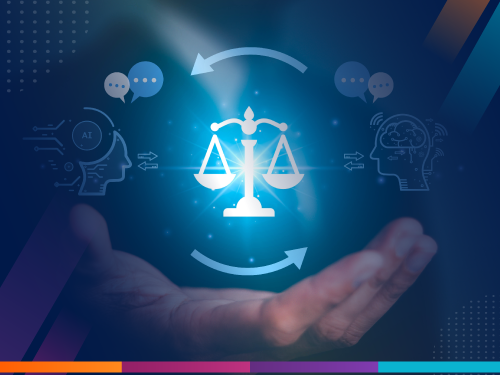
现在,到了 2025 年,我们看到了 代理工作流的兴起,在这种 工作流中,人工智能不仅仅是辅助,而是积极推动结果,重新定义可能。而这一演变的核心是一个强大的基础:人工智能法律工作流程自动化软件。
当您将工作流程自动化与人工智能相结合时,您实现的不仅仅是效率。它是适应性、前瞻性以及技术与法律团队之间合作关系的新高度。
从工作流程自动化到代理工作流程的演变
要了解我们是如何发展到今天的人工智能驱动的代理工作流程的,不妨将法律运营技术的发展分为三个阶段:从工作流程自动化软件,到人工智能增强流程,最后到完全代理的工作流程。
第 1 阶段:工作流程自动化如何塑造法律运营部门
工作流程自动化改变了游戏规则。这些工具通过预先定义的 "如果、那么 "逻辑实现法律受理和路由的自动化。事务受理、自助服务签约和审批、合规性检查或升级等流程的自动化,使法律运营专业人员能够
- 跨团队和跨地域的标准化流程
- 在正确的时刻获取正确的数据
- 以明确的任务所有权推动问责制
- 为持续改进、工作量分配和人员配置制定衡量标准
这一阶段建立了法律运作的纪律:一致的流程、可见的衡量标准和变革准备就绪的文化。
第二阶段:法律业务的人工智能强化时代
下一个飞跃是人工智能辅助这些工作流程。用于法律工作流程自动化的人工智能可以总结合同、对文件进行分类并识别潜在问题。这有助于团队更高效、更准确地工作。然而,在大多数情况下,人工智能只是一种补充,而不是催化剂。
第三阶段:代理工作流的兴起
代理工作流代表了下一个阶段。在这里,人工智能不仅支持工作流程,还成为其中的一个主动代理。
想象一下人工智能对请求进行分类的过程。它根据请求的复杂程度将其引导到正确的地方。接下来,它会起草初步答复供审核。或者在一个合规流程中,人工智能会标记异常情况,建议采取相应行动,并自动更新工作流程。
这一演变将法律业务从被动的流程管理者转变为主动的战略家,并由人工智能驱动决策。
为什么工作流程自动化软件是人工智能的基础?
企业必须在代理工作流程站稳脚跟之前打好基础。它们依赖于人工智能法律工作流程自动化软件已经通过流程自动化、度量和治理奠定的基础。
工作流程自动化通过四个关键要素奠定了这一基础:
-
人工智能所需的数据卫生
工作流程自动化软件可以捕捉人工智能学习和推荐所需的结构化指标(如周期时间、事项类型和支出指标)。
-
智能自动化框架:
通过定义流程,人工智能可以路由任务、建议行动或触发预建工作流,如 NDA、政策检查或合规性审查。
-
以治理和安全为核心:
法律运营领导者了解数据保护、基于角色的访问和隐私控制的必要性。这些都是放心嵌入人工智能的先决条件。
-
变革准备就绪:
推出工作流程自动化软件可以获得利益相关者的认可、用户的采用和管理能力--这些都是人工智能取得成功的关键。
正确的法律工作流程自动化软件可将当今的自动化与未来的智能工作流程连接起来。这样,法律业务职能部门就能更快、更准确,并为拥抱人工智能驱动的代理工作流程做好充分准备。
工作流程自动化与人工智能的综合优势
根据德勤最近的一项研究,工作流程自动化本身可以减少 50% 的错误,提高 40% 的流程效率。展望未来,在此基础上为法律工作流程自动化添加人工智能,可以增加更智能的决策和预测性洞察力,从而使上述收益更上一层楼。
当工作流程自动化和人工智能相结合时,就会产生倍增效应:
- 利用人工智能为法律工作流程自动化做出更明智的决策:人工智能可以从工作流程数据中分析趋势并提出行动建议,同时软件可以在整个组织内一致地执行这些决策。
- 以背景和洞察力提高效率:自动化处理 "什么 "和 "何时",而人工智能则提供 "为什么 "和 "如何"。例如,自动化可能会指定合规性审查,而人工智能则会强调需要特别注意的条款。
- 统一政策和工作流程访问,集中资源,让员工可以从一个人工智能界面找到答案并启动操作。
- 预测性运营:利用工作流程的指标和人工智能的洞察力,法律运营领导者可以从滞后指标(如 "上个季度发生了什么")转变为领先指标(如 "下一步可能发生什么")。
- 可扩展的法律运营创新:一旦团队实现了工作流程的数字化,人工智能就能在其基础上加速创新。新的事务类型?新的合规要求?人工智能可以比人工重新编程更快地调整工作流程。
Mitratech ARIES™ 如何支持人工智能在法律工作流程自动化中的未来发展
ARIES™是Mitratech的治理级人工智能生态系统,它汇集了智能代理、数字助理和嵌入式人工智能功能,以一致、可信和安全的能力改变工作方式。
在其最新推出的 Mitratech 工作流程自动化系统中,ARIES™ 可实现以下功能:
- 以对话方式访问工作流程和数据
- 提供安全、基于角色的见解和行动
- 启用预建的自然语言驱动工作流,如 NDA 和合规性查询
- 通过严格的数据管理和隐私标准维护信任和合规性
- 根据每个组织的独特政策和业务流程定制工作流程和访问控制。
它不仅仅是一个解决方案,更是一种连接性智能,可将工作流程自动化进一步转变为未来就绪、人工智能驱动的操作。
展望未来:自动化与人工智能之间的新伙伴关系
由 Mitratech ARIES™ 等系统提供支持的代理工作流不会取代专业人员或传统的自动化。相反,它们能提高工作效率,扩大工作范围。通过将精心设计的工作流程自动化与安全的人工智能相结合,法律运营团队从管理者提升为战略合作伙伴。
道路是明确的:奠定基础,拥抱代理浪潮,让人工智能法律工作流程自动化成为人工智能提高效率和影响力的渠道。
想进一步了解如何利用人工智能提高法律工作流程的效率和成果?请与我们联系!