
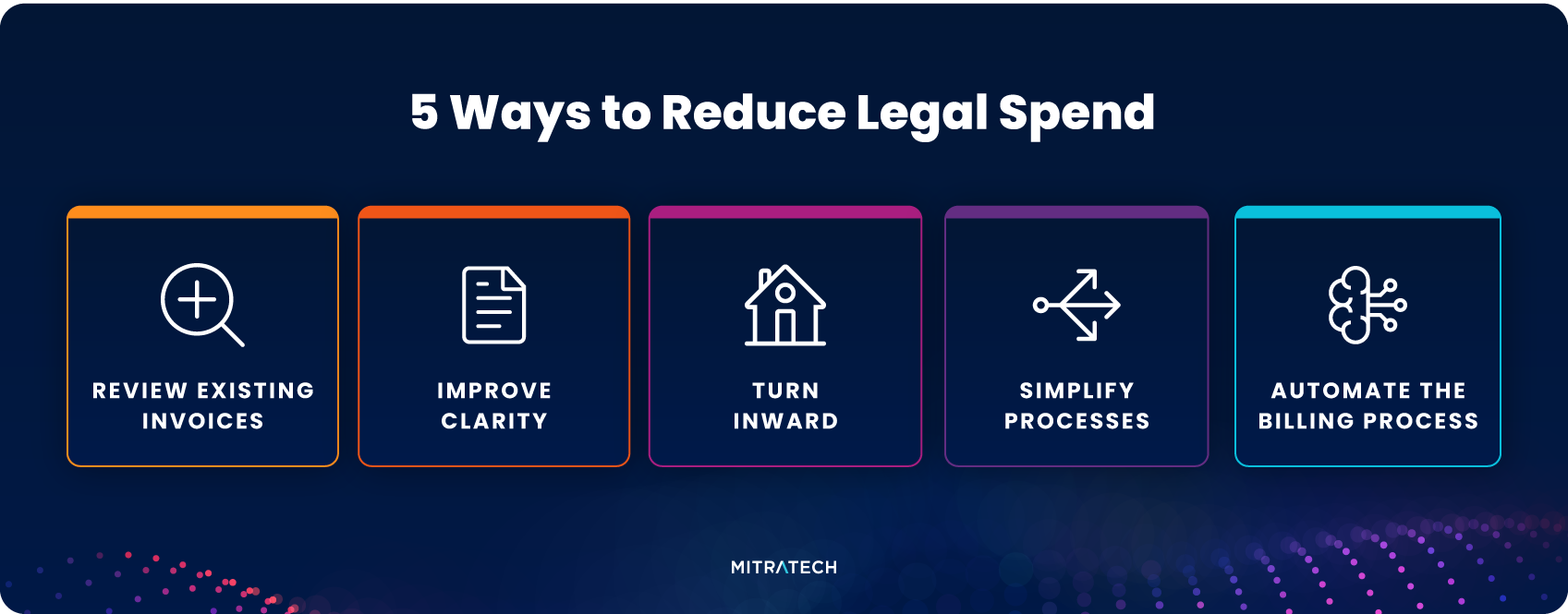
Um die Rechtskosten zu senken, sollten Rechtsabteilungen die Rechnungsprüfung automatisieren, Abrechnungsrichtlinien durchsetzen, Routineaufgaben strategisch intern abwickeln, das Fallmanagement optimieren und eine Software für die elektronische Rechnungsstellung einführen.
Zusammen führen diese Ansätze in der Regel zu einer Senkung der jährlichen Ausgaben für externe Rechtsberater um 5–10 % oder mehr (ohne dass Kanzlei-Verträge neu verhandelt werden müssen oder Abstriche bei der Arbeitsqualität gemacht werden müssen).
Wenn es um die Rechtsabteilung geht, kann das Thema Kosteneinsparungen heikel sein. Wie kann ein Unternehmen seine Rechtskosten senken, ohne dabei Abstriche bei der Arbeitsqualität zu machen, insbesondere wenn externe Rechtsberater hinzugezogen werden?
Es steht viel auf dem Spiel. Laut dem „ACC Law Department Management Benchmarking Report 2024“ machen die Ausgaben für externe Rechtsberater durchschnittlich 87 % des gesamten externen Budgets einer Rechtsabteilung aus. Gleichzeitig haben 42 % der Rechtsabteilungen von ihren jeweiligen Unternehmen konkrete Vorgaben zur Kostensenkung erhalten. Die Honorare der Anwaltskanzleien sind dabei nicht gerade hilfreich: Die Partnerhonorare stiegen zwischen 2022 und dem ersten Halbjahr 2024 um mehr als 6 %, wobei die größten Prozesskanzleien ihre Honorare im gleichen Zeitraum um bis zu 23 % erhöhten.
Die Nichteinhaltung von Abrechnungsrichtlinien ist nach wie vor eine der häufigsten (und am ehesten vermeidbaren) Ursachen für Kostenüberschreitungen bei externen Rechtsberatern. Mit den richtigen Strategien und Instrumenten können Sie jedoch Ihre Rechtsabläufe optimieren, Abrechnungsstandards durchsetzen und Ihre gesamten Rechtskosten senken, ohne dabei die Beziehungen zu den Kanzleien zu beeinträchtigen, auf die Ihr Team angewiesen ist.
Hier sind fünf bewährte Strategien, um dieses Ziel zu erreichen.
So senken Sie die Rechtskosten durch den Einsatz externer Rechtsberater
-
Rechnungen mit KI-gestützter Analyse der Rechtskosten prüfen
Sie werden vielleicht überrascht sein, wie Ihnen die Kosten in Rechnung gestellt werden. Verwaltungsaufgaben wie die Suche nach einer E-Mail, doppelte Einträge, Pauschalabrechnungen und nicht genehmigte Preiserhöhungen tauchen regelmäßig auf den Rechnungen externer Rechtsberater auf – und bei manuellen Überprüfungsprozessen werden sie häufiger übersehen, als man denkt. Tatsächlich ergab eine Umfrage aus dem Jahr 2025, dass 50 % der Rechtsabteilungen der Meinung sind, dass ihnen derzeit zu hohe Rechnungen gestellt werden, doch 87 % verbringen vier Stunden oder weniger pro Monat mit der Überprüfung von Rechnungen.
Die KI-gestützte Analyse der Rechtskosten von TeamConnectändert diese Gleichung. Die Plattform überwacht den Rechnungsverlauf, um Unregelmäßigkeiten bei Budgets, Zeitnachweisen, Sätzen und Abrechnungsmustern zu erkennen – und weist bereits vor der Genehmigung von Rechnungen auf Anomalien hin, statt erst danach. Unternehmen, die eine E-Billing-Lösung einsetzen, erzielen durchweg eine Senkung ihrer jährlichen Ausgaben für externe Rechtsberater um 5–10 %, indem sie einfach das aufdecken, was bei einer manuellen Überprüfung übersehen wird.
Über die Kosteneinsparungen hinaus werden diese Daten zu einem strategischen Vorteil. Der Einblick in die Ausgaben nach Mandatsart, Tätigkeitsbereich und Kanzlei ermöglicht es den Verantwortlichen im Bereich Legal Operations, fundiertere Entscheidungen hinsichtlich der Ressourcenzuweisung, der Kanzleiauswahl und der Budgetprognosen zu treffen.
Laden Sie den Analystenbericht von Hyperion Research herunter und erfahren Sie, warum TeamConnect als „Marktführer“ und „Innovator“ im Bereich des Rechtsmanagements für Unternehmen eingestuft wird →
-
Festlegung umfassender Abrechnungsrichtlinien für externe Rechtsberater
Die Senkung der Rechtskosten beginnt mit Klarheit. Wenn externe Rechtsberater nicht genau wissen, wofür Sie bereit sind zu zahlen und wofür nicht, werden standardmäßig alle Leistungen in Rechnung gestellt – und es kommt zu Streitigkeiten.
Die Erstellung umfassender Abrechnungsrichtlinien beseitigt diese Unklarheiten. Diese Richtlinien sollten Folgendes festlegen:
- Welche Aufgaben sind nicht abrechnungsfähig (Betreuung von Praktikanten, administrative Recherche, Reisezeit, die einen festgelegten Schwellenwert überschreitet)?
- Die maximal zulässige Anzahl von Zeitnehmern pro Verfahren oder Verhandlung
- Erforderliche Rechnungsformate (LEDES ist der Standard für die Kompatibilität mit der elektronischen Rechnungsstellung)
- Fristen für die Einreichung von Rechnungen
- Anforderungen an die Genehmigung der Vergütung, bevor ein neuer Zeitnehmer seine Arbeit aufnimmt
Die Richtlinien selbst sind nur so wirksam, wie gut Sie sie durchsetzen können. TeamConnect automatisiert die Durchsetzung der Richtlinien auf Rechnungsebene – Einzelposten, die gegen Ihre Richtlinien verstoßen, werden automatisch gekennzeichnet oder abgelehnt, noch bevor auch nur ein einziger Dollar genehmigt wird. Dies entlastet Ihre internen Mitarbeiter und gewährleistet eine einheitliche Anwendung in allen Unternehmen Ihres Netzwerks.
-
Lassen Sie Aufgaben, die für Ihr internes Team geeignet sind, strategisch intern erledigen
Externe Rechtsberater bieten einen echten Mehrwert bei spezialisierten, hochbrisanten oder länderübergreifenden Angelegenheiten. Doch nicht jede Aufgabe auf der Rechnung eines externen Rechtsberaters erfordert ein derart hohes Maß an Fachwissen – und Sie zahlen hohe Honorare für Arbeiten, die Ihr internes Team kostengünstiger erledigen könnte.
Die Rückverlagerung von Routineaufgaben oder geschäftsfachspezifischen Tätigkeiten ins eigene Haus ist eine der Maßnahmen mit dem höchsten ROI, die eine Rechtsabteilung ergreifen kann. Die ACC-Umfrage von 2024 ergab, dass 66 % der Rechtsabteilungen im Rahmen von Kosteneinsparungsmaßnahmen aktiv mehr Arbeit ins eigene Haus verlagern.
Eine Enterprise-Legal-Management-Plattform (ELM) wie TeamConnect bietet Ihnen den Überblick auf Fall-Ebene, den Sie benötigen, um diese Entscheidungen mit Zuversicht zu treffen. Durch die Analyse historischer Ausgaben, Fallergebnisse und der Leistung der Zeitnehmer – sowohl bei internen als auch bei externen Ressourcen – können Sie erkennen, in welchen Bereichen Ihre externen Kanzleien einen hohen Mehrwert bieten (und in welchen Bereichen Ihr eigenes Team die klügere Wahl ist).
-
Vereinfachung der Fallverwaltung und der Dokumenten-Workflows
Die Zeit, die externe Rechtsberater mit der Suche nach E-Mails, der Rekonstruktion des Kontexts oder dem Warten auf Dokumente verbringen, ist abrechnungsfähige Zeit, für die Sie bezahlen. Wenn Ihr Prozess zum Informationsaustausch auf E-Mail-Verläufen und gemeinsam genutzten Laufwerken basiert, entstehen Ihnen mit ziemlicher Sicherheit vermeidbare Kosten.
Ein strukturiertes Mandantenverwaltungssystem schließt diese Lücke. Wenn externe Anwälte auf eine zusammengefasste Mandantenübersicht zugreifen, Rechnungen direkt hochladen und Dokumente über ein zentrales Portal abrufen können, sinkt der Verwaltungsaufwand auf beiden Seiten erheblich. Sie zahlen keine Stundensätze mehr für Aufgaben, die eigentlich von der Technologie übernommen werden sollten.
Die Einführung eines elektronischen Dokumentenmanagements verringert zudem das Risiko von Terminüberschreitungen, Doppelarbeit und Compliance-Lücken, die mit einer fragmentierten Kommunikation einhergehen. Für Rechtsabteilungen, die große Netzwerke externer Rechtsberater verwalten – einige Mitratech-Kunden betreuen weltweit mehr als 700 Kanzleien –, kann diese Art der strukturellen Disziplin jährlich zu Kosteneinsparungen in Millionenhöhe führen.
-
Automatisieren Sie die Rechnungsstellung mit der E-Billing-Software von TeamConnect
Manuelle Abrechnungsprozesse sind ein Kostenmultiplikator. Jede Stunde, die ein hauseigener Jurist damit verbringt, Rechnungen zu prüfen, Streitfälle zu klären oder fehlende Unterlagen einzufordern, ist Zeit, die nicht für die eigentliche juristische Arbeit zur Verfügung steht. Und eine manuelle Prüfung ist naturgemäß unvollständig – das Volumen, die Komplexität und das Tempo der Abrechnungen externer Anwälte machen es praktisch unmöglich, jedes Problem manuell zu erkennen.
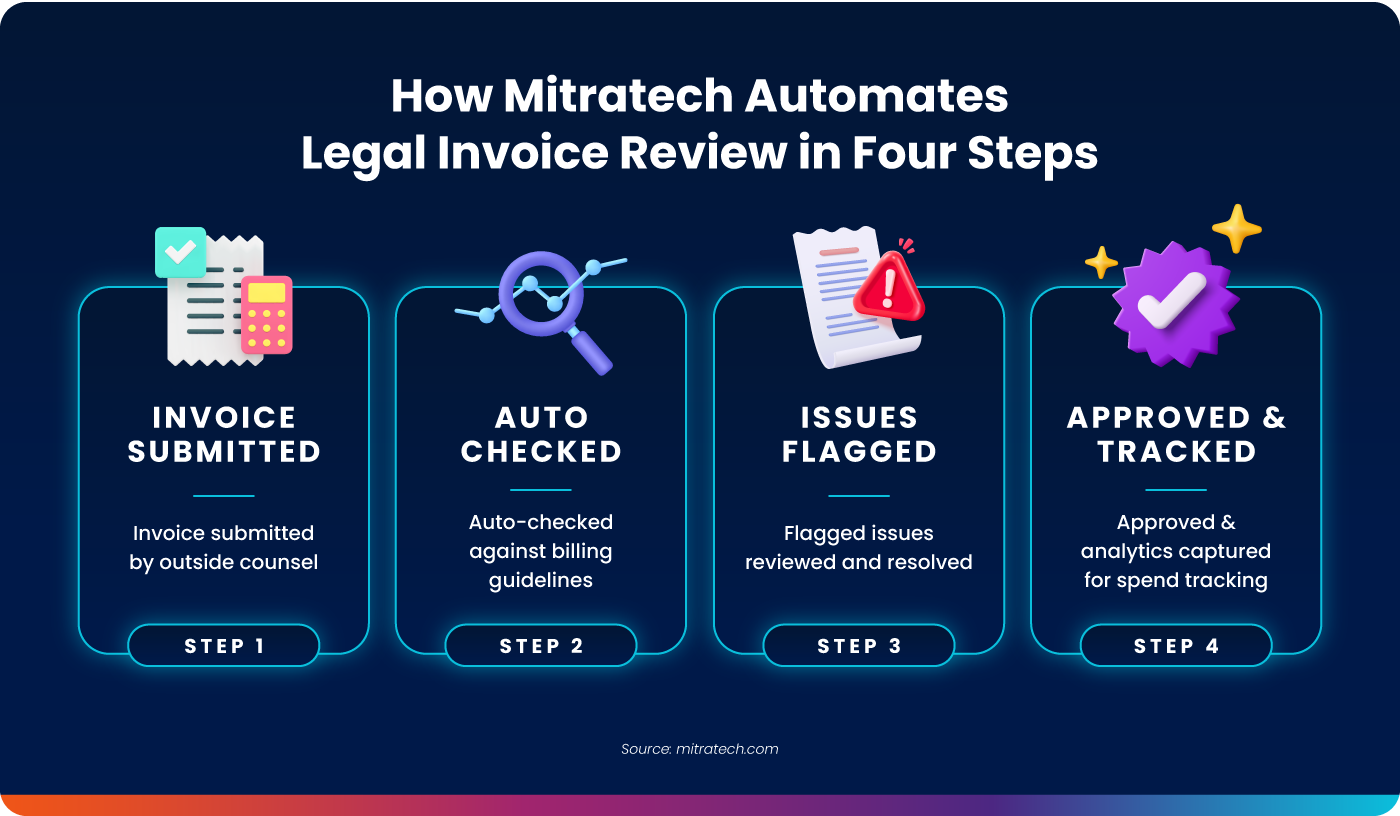
Die E-Rechnungssoftware von TeamConnect automatisiert den gesamten Rechnungszyklus von der Einreichung bis zur Genehmigung:
- Automatisierte Durchsetzung von Richtlinien: Rechnungen werden unmittelbar nach ihrem Eingang anhand Ihrer Abrechnungsrichtlinien geprüft – dabei werden nicht konforme Einzelposten ohne menschliches Eingreifen gekennzeichnet.
- Automatische Freigabe konformer Rechnungen: Korrekte Rechnungen, die alle Kriterien erfüllen, durchlaufen die Warteschlange automatisch, was die Zahlung beschleunigt und den Verwaltungsaufwand für beide Seiten verringert.
- Überwachung der Tarifkonformität: Das System gleicht die von jedem Zeiterfasser in Rechnung gestellten Tarife mit den genehmigten und hinterlegten Tarifen ab und deckt so unzulässige Erhöhungen auf, bevor diese bezahlt werden.
- Benachrichtigungen und Prüfpfade: Die Unternehmensjuristen erhalten in Echtzeit Benachrichtigungen über Ausnahmen, und jede Rechnungstätigkeit wird für Berichtszwecke und zur Streitbeilegung protokolliert.
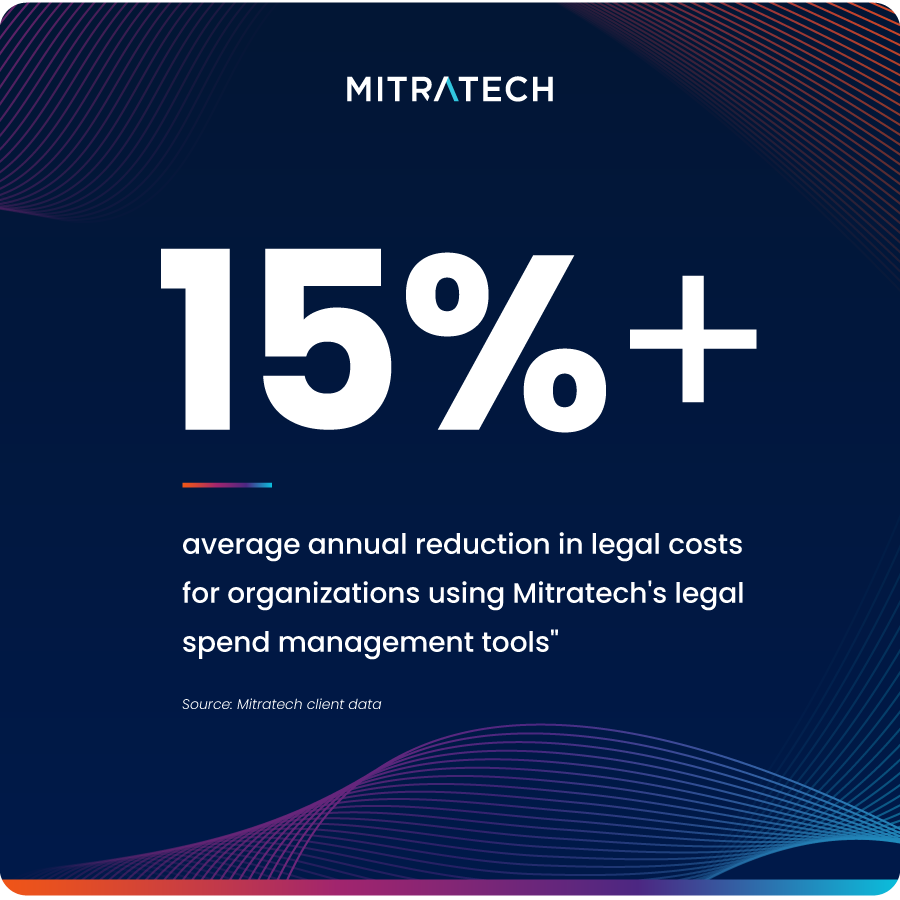
Mitratech-Kunden, die KI-gestütztes Ausgabenmanagement und eine verwaltete Rechnungsprüfung nutzen, berichten von Zeitersparnissen von bis zu 80 % bei manuellen Verwaltungsaufgaben und zweistelligen Einsparungen bei den Ausgaben für externe Rechtsberater – wobei jährliche Einsparungen in Millionenhöhe für wertschöpfendere Tätigkeiten genutzt werden können.

Die sich summierenden Kosten des Nichtstuns
Der Druck, die Rechtskosten zu senken, lässt nicht nach. Der „ACC Law Department Management Benchmarking Report 2025“ nennt Kostenkontrolle und betriebliche Effizienz als wichtigste strategische Prioritäten für interne Rechtsabteilungen, und die Führungsetage beobachtet die Entwicklung aufmerksam. Rechtsabteilungen, die eine messbare Kostendisziplin nachweisen können, sind besser aufgestellt, um Ressourcen, Personal und Technologieinvestitionen zu begründen.
Manuelle Prozesse, fragmentierte Systeme und nicht durchgesetzte Abrechnungsrichtlinien führen nicht nur zu Kostenüberschreitungen, sondern beeinträchtigen auch die Datenqualität, die eine strategische Rechtsabwicklung erst ermöglicht. Durch die Automatisierung der Rechnungsprüfung, die Standardisierung von Arbeitsabläufen und die Zentralisierung der Ausgabenanalyse mithilfe einer Plattform wie TeamConnect erhält Ihr Team die nötige Transparenz und Kontrolle, um die Rechtskosten bereits heute zu senken und sie für die Zukunft zuverlässig zu prognostizieren.
Entdecken Sie die Lösungen von Mitratech für das Management und die Analyse von Rechtskosten oder erfahren Sie , was eine Software für das Management von Rechtskosten leistet und wie Sie diese bewerten können.
Häufig gestellte Fragen zur Senkung der Rechtskosten
Wie lassen sich die Rechtskosten für externe Rechtsberater am schnellsten senken?
Der schnellste Weg ist die Einführung einer E-Billing-Software, die Verstöße gegen die Abrechnungsrichtlinien automatisch kennzeichnet, bevor Rechnungen genehmigt werden. Dadurch werden überhöhte Abrechnungen in Echtzeit erkannt, was zu einer Senkung der jährlichen Ausgaben für externe Rechtsberater um 5–10 % führen kann, ohne dass die Beziehungen zu den Kanzleien neu verhandelt werden müssen.
Was sollten die Abrechnungsrichtlinien für externe Rechtsberater beinhalten?
In den Abrechnungsrichtlinien sollte festgelegt werden, welche Tätigkeiten nicht abrechnungsfähig sind, welche Obergrenzen für die Anzahl der Zeitnehmer pro Mandat gelten, welche Rechnungsformate vorgeschrieben sind (z. B. LEDES), welche Anforderungen für die Genehmigung von Stundensätzen für neue Zeitnehmer gelten und welche Einreichungsfristen einzuhalten sind. Die Richtlinien sind am effektivsten, wenn sie automatisch über eine E-Abrechnungsplattform durchgesetzt werden, anstatt manuell überprüft zu werden.
Inwiefern trägt Enterprise-Legal-Management-Software (ELM) zur Senkung der Rechtskosten bei?
ELM-Plattformen wie TeamConnect automatisieren die Rechnungsprüfung, setzen Abrechnungsrichtlinien durch, kennzeichnen nicht konforme Rechnungspositionen und liefern Ausgabenanalysen über Mandate, Kanzleien und Tätigkeitsbereiche hinweg. Dadurch wird der Zeitaufwand der internen Mitarbeiter für administrative Aufgaben reduziert und es werden die Daten bereitgestellt, die erforderlich sind, um bessere Tarife auszuhandeln, die Kanzleiauswahl zu optimieren und Budgets genau zu prognostizieren.
Was ist der Unterschied zwischen elektronischer Rechnungsstellung und Fallverwaltung?
Die E-Rechnungsstellung übernimmt die Einreichung, Prüfung und Genehmigung von Rechnungen externer Rechtsberater. Das Mandatsmanagement erfasst die juristische Arbeit selbst – Zeitpläne, Dokumente, Aufgaben und Ergebnisse. Zusammen auf einer einzigen integrierten Plattform wie TeamConnect genutzt, bieten sie den Rechtsabteilungen einen umfassenden Überblick sowohl über die Kosten als auch über die Leistung bei jedem Mandat und jeder Kanzleibeziehung.
Wie viel geben Unternehmen in der Regel für externe Rechtsberater aus?
Laut dem „ACC Law Department Management Benchmarking Report 2024“ belaufen sich die Ausgaben für externe Rechtsberater im Median auf 1,8 Millionen US-Dollar pro Jahr, wobei die obersten 25 % der Rechtsabteilungen mindestens 11,2 Millionen US-Dollar ausgeben. Externe Rechtsberater machen in der Regel 87 % des gesamten externen Rechtsbudgets einer Rechtsabteilung aus – damit sind sie der wichtigste Hebel zur Kostenkontrolle.