Wenn Sie im Jahr 2026 auf der Suche nach der richtigen Enterprise-Legal-Management-Software (ELM) sind, sind Sie nicht allein.
Rechtsabteilungen überall sehen sich mit einem höheren Arbeitsaufkommen, gestiegenen Erwartungen, komplexen regulatorischen Rahmenbedingungen und zunehmendem Druck konfrontiert, messbaren Mehrwert nachzuweisen.
Angesichts der Vielzahl der auf dem Markt verfügbaren Plattformen (darunter umfassende ELM-Suiten, Tools zur Fallverwaltung, eBilling-Systeme, CLM-Plattformen und Workflow-Engines) kann es schwierig sein, die Anbieter fair miteinander zu vergleichen.
Dieser Leitfaden vereinfacht diesen Prozess. Im Folgenden stellen wir Ihnen 13 der besten Softwareplattformen für das Rechtsmanagement in Unternehmen für das Jahr 2026 vor, basierend auf öffentlich zugänglichen Informationen, Analysteneinschätzungen und allgemein anerkannten Stärken auf dem Markt.
Inhaltsverzeichnis
Was ist eine ELM-Software (Enterprise Legal Management)?
Enterprise Legal Management (ELM)-Software bündelt die Kernsysteme und -prozesse, die von Rechtsabteilungen in Unternehmen genutzt werden: Fallmanagement, Rechtskosten und elektronische Rechnungsstellung, Schadenmanagement, Fallannahme, Vertragsworkflows, Dokumentenmanagement, Aufbewahrungspflicht und Berichterstellung. Moderne ELM-Plattformen umfassen zunehmend KI-gestützte Funktionen wie Rechnungsprüfung, Dokumentenextraktion, Fallklassifizierung und Beschleunigung der Berichterstellung und lassen sich in angrenzende Systeme in den Bereichen Compliance, Personalwesen, Beschaffung und Risikomanagement integrieren.
Die Unterscheidung zwischen einer umfassenden ELM-Suite und einer Einzellösung ist im Jahr 2026 wichtiger denn je. Regulatorische Rahmenbedingungen wie DORA, die DSGVO und das EU-KI-Gesetz verlangen nach überprüfbaren Prozessen und zentralisierten Aufzeichnungen – Anforderungen, denen einzelne Tools nur schwer gerecht werden können. Rechtsabteilungen, die unter dem Druck stehen, mit weniger Ressourcen mehr zu leisten, benötigen Plattformen, die Ausgabenübersicht, Workflow-Automatisierung und abteilungsübergreifendes Berichtswesen in einem einzigen System vereinen, anstatt mehrere voneinander getrennte Tools miteinander zu verknüpfen.
Vergleichstabelle
| Plattform | Am besten geeignet für | Körpermitte | Wichtigstes Unterscheidungsmerkmal |
|---|---|---|---|
| Mitratech TeamConnect | Rechtsabteilungen in Unternehmen, die umfassende Transparenz und Kontrolle über Rechtsangelegenheiten, Ausgaben und Arbeitsabläufe anstreben | Weltweit skalierbares End-to-End-ELM | Konfigurierbarkeit ohne Programmierung bzw. mit minimalem Programmieraufwand, robuste Integrationen, erstklassige juristische Informationen und Analysen |
| Onit | Auf CLM spezialisierte Rechtsteams | Workflow-Automatisierung + CLM | Vertragsorientierte Architektur |
| SimpleLegal | Teams im mittleren Marktsegment, die Wert auf Benutzerfreundlichkeit legen | Benutzerfreundlichkeit + Transparenz bei den Ausgaben | Schnelle Bereitstellung, ERP-Integrationen |
| CounselLink | Organisationen im LexisNexis-Ökosystem | Integrierte Forschung + ELM | Anbieter-Benchmarking + Integration von LexisNexis-Inhalten |
| Brightflag | Grundlegende KI-gestützte Ausgabenanalyse | Grundlegende KI-Rechnungsprüfung | Nutzungsabhängige Preisgestaltung, schnelle Amortisation |
| TyMetrix 360 | Schadenintensive Unternehmen, die Stabilität und bewährte Prozesse gegenüber groß angelegten Umstrukturierungen priorisieren | Zuverlässige elektronische Rechnungsstellung + Abrechnungen | LegalVIEW-Benchmarking-Analysen |
| ServiceNow LSD | IT-gesteuerte Serviceumgebungen | Erfassung + Workflow-Koordination | Native ServiceNow-Integration |
| Rechts-Tracker | E-Rechnungsstellung, bei der die Fallverwaltung nicht im Vordergrund steht | Zielgerichtetes Rechnungsmanagement | Überwachung der Abrechnung bei geringem Aufwand |
| Filevine | Operative Teams mit hohem Arbeitsaufkommen, die Arbeitsabläufe mit hohem Durchsatz verwalten | Fall- und Dokumentenmanagement | Auf Zusammenarbeit ausgerichtete Workflow-Vorlagen |
| Panzerschiff | KI-gestützte Vertragsabwicklung | CLM + KI-Automatisierung | Gartner Magic Quadrant: CLM-Marktführer 2025; KI-Jurist |
| Sirion | Verfolgung der Lieferantenverpflichtungen | Verwaltung nach der Unterzeichnung | KI-gestützte Vertragsanalyse + Überwachung von Verpflichtungen |
| Everlaw | Teams mit hohem Prozessaufkommen | eDiscovery + Überprüfung | G2 #1 eDiscovery (Herbst 2025); transparente Preisgestaltung pro GB |
ELM-Bewertungskriterien
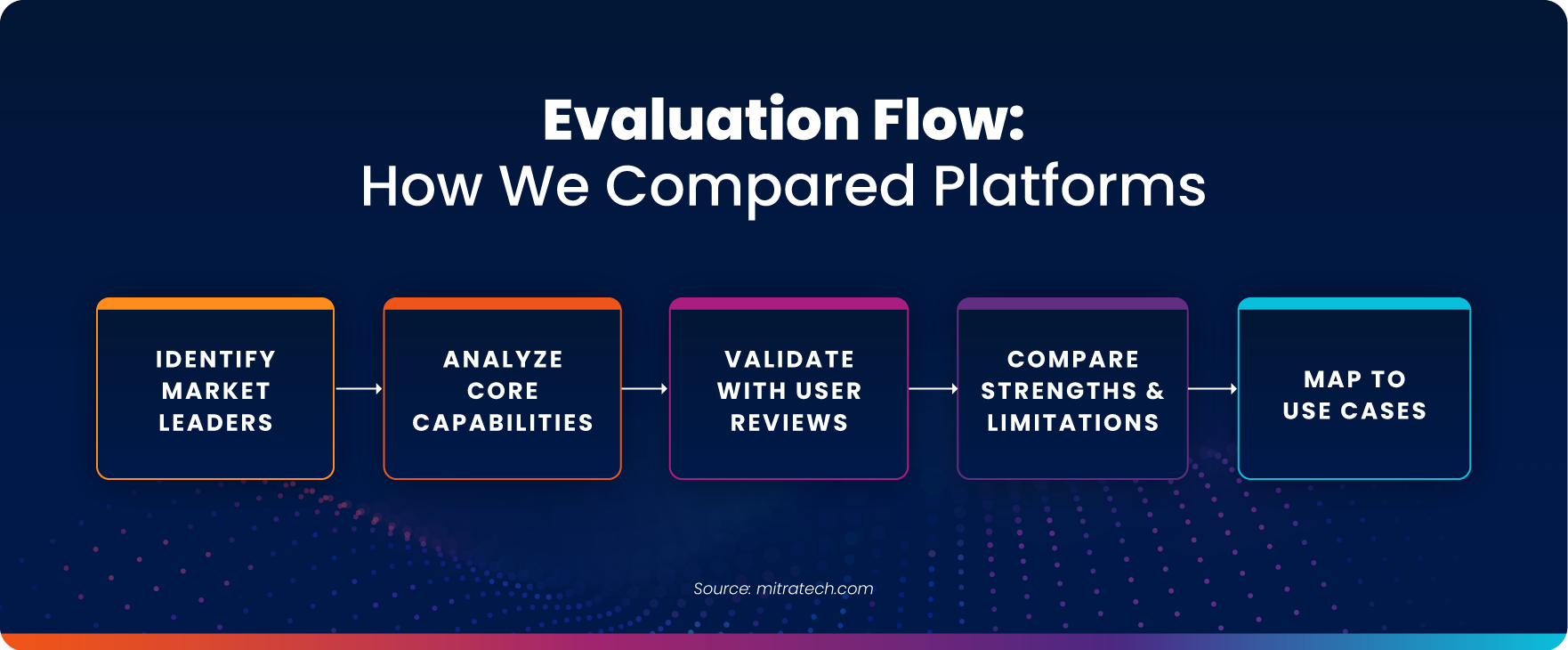
Jede Plattform wurde anhand öffentlich zugänglicher Produktdokumentation, gegebenenfalls anhand von Analystenkommentaren von Gartner und Forrester sowie anhand verifizierter Nutzerbewertungen von G2, Capterra und Gartner Peer Insights bewertet. Weder bezahlte Platzierungen noch Sponsoring durch Anbieter hatten Einfluss auf die genannten Ranglisten oder Bewertungen. Bewertungen, die von Bewertungsplattformen Dritter stammen, sind mit der jeweiligen Quelle gekennzeichnet.
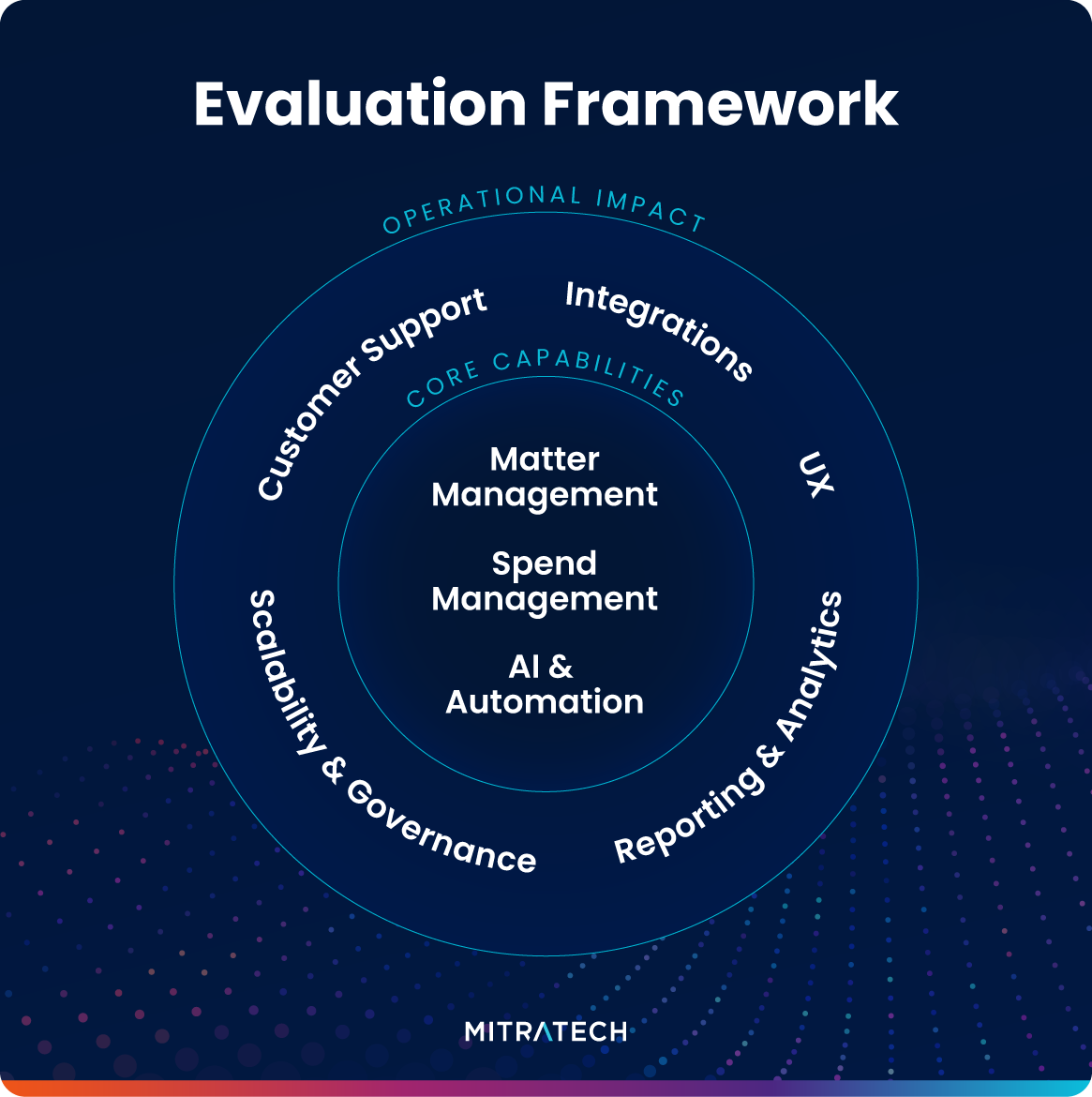
Funktionen zum Fallmanagement: Erfassung , Weiterleitung, Nachverfolgung des Lebenszyklus und Organisation von Fällen über Fachbereiche und Regionen hinweg.
Rechtskostenmanagement und elektronische Rechnungsstellung: Rechnungsprüfung , Durchsetzung von Abrechnungsrichtlinien, Budgetüberwachung, Rückstellungen und Transparenz bei den Ausgaben für externe Rechtsberater.
Workflow-Automatisierung und KI: KI-gestützte Funktionen zur Rechnungsprüfung, Fallklassifizierung, Dokumentenverarbeitung und Prozessautomatisierung.
Integrationen und Einbindung in das Unternehmensökosystem: Kompatibilität mit ERP-, HRIS-, CLM-, DMS- sowie Compliance- und Risikomanagement-Tools, die für das Unternehmen relevant sind.
Skalierbarkeit, Governance und Konfigurierbarkeit: Die Fähigkeit, komplexe Arbeitsabläufe abzubilden, globale Geschäftsabläufe zu unterstützen und eine auditfähige Governance zu gewährleisten.
Berichterstattung und Analytik: KPI-Dashboards, Ausgabenanalysen, Überwachung der Lieferantenleistung und für die Geschäftsleitung aufbereitete Berichte.
Benutzerfreundlichkeit und Benutzererfahrung: Geschwindigkeit der Einarbeitung, Schulungsbedarf, Qualität der Benutzeroberfläche sowie Reibungsverluste bei der Akzeptanz durch Verwalter und Anbieter.
Kundensupport und Kundenerfolg: Qualität des laufenden Supports, der Implementierungsdienstleistungen und der Maßnahmen zur Förderung des Kundenerfolgs, wie von verifizierten Nutzern angegeben.
Die 13 besten Softwareplattformen für das Rechtsmanagement in Unternehmen für das Jahr 2026
Unsere Erkenntnisse basieren auf öffentlich zugänglichen Produktdokumentationen, Anbieter-Websites und Branchenvergleichsquellen. Mitratech weist darauf hin, dass Wettbewerber ihre Produkte oder Bedingungen jederzeit aktualisieren können. Alle Marken, Dienstleistungsmarken und Firmennamen sind Eigentum ihrer jeweiligen Inhaber. Die Verwendung dieser Namen impliziert keine Zugehörigkeit zu diesen Unternehmen oder eine Empfehlung durch diese.
Die folgenden Anbieterbewertungen sind in keiner bestimmten Reihenfolge aufgeführt.
-
Mitratech ELM (TeamConnect)
Am besten geeignet für: Rechtsabteilungen in Großunternehmen, die eine lückenlose Transparenz und Kontrolle über Rechtsangelegenheiten, Ausgaben und Arbeitsabläufe anstreben
Entstanden aus mehr als 30 Jahren gemeinsamer Innovation mit Fachleuten aus dem Bereich Legal Operations, ist Mitratech TeamConnect ist die führende ELM-Plattform von Mitratech, die speziell für interne Rechtsabteilungen entwickelt wurde, die in komplexen, sich ständig verändernden Umgebungen tätig sind. Sie vereint Fallmanagement, elektronische Rechnungsstellung, Rechtskostenmanagement, Dokumentenautomatisierung, Workflow-Automatisierung und Berichterstellung in einem einzigen System und wird von Großunternehmen und mittelständischen Organisationen in über 160 Ländern genutzt.
Im Gegensatz zu Systemen, bei denen sich Rechtsabteilungen an vordefinierte Arbeitsabläufe anpassen müssen, ermöglicht TeamConnect Unternehmen, Arbeitsabläufe, Datenmodelle und Berichtsstrukturen so zu konfigurieren, dass sie ihre tatsächlichen Arbeitsabläufe widerspiegeln (ohne benutzerdefinierten Code und ohne starke Abhängigkeit von der IT). Jedes Release enthält Verbesserungen, die direkt auf Kundenwünsche zurückgehen und von einer sehr engagierten Nutzergemeinschaft unterstützt werden, in der Fachleute Best Practices austauschen und Einfluss auf die Produkt-Roadmap nehmen.
Was TeamConnect im Jahr 2026 auszeichnet, ist die Art und Weise, wie KI bereitgestellt wird: nicht als nachträglich angehängter Chatbot, sondern als ARIES™, ein KI-Ökosystem, das direkt in die Plattform eingebunden ist, in der die juristische Arbeit bereits stattfindet. Während allgemeine KI-Tools mit einem Kurzzeitgedächtnis arbeiten – sie leiten ihre Schlussfolgerungen ausschließlich aus den Informationen ab, die ihnen in einer Sitzung zur Verfügung gestellt werden –, verfügt ARIES™ über ein Langzeitgedächtnis. Es greift auf Ihre gesamte Historie in Bezug auf Mandate, Ausgaben, Rechnungsstellung, die Leistung externer Rechtsberater und Arbeitsabläufe zurück, unabhängig von Zeit oder Komplexität. Das ist der Unterschied zwischen einer KI, die eine Antwort generiert, und einer KI, die Ihre Organisation bereits gut genug kennt, um die richtige Frage zu stellen.
Entscheidend ist, dass jede durch ARIES™ unterstützte Maßnahme im Rahmen Ihrer bestehenden Governance-Kontrollen, Prüfpfade und Compliance-Konfigurationen erfolgt (und nicht außerhalb davon). Für Rechtsabteilungen, die unter dem Druck stehen, KI zu skalieren, ohne dabei die Rechenschaftspflicht zu vernachlässigen, ist das kein bloßes Feature. Es ist die Grundlage.
- Umfassende Konfigurierbarkeit ohne eigenen Code – passen Sie Arbeitsabläufe, Datenmodelle und Berichte an Ihre Prozesse an
- Matter- und Ausgabenmanagement auf Unternehmensniveau zur Unterstützung komplexer Portfolios, zahlreicher Beteiligter und globaler Geschäftsabläufe
- ARIES™-KI-Funktionen: „Ambient AI“, die relevante Zusammenhänge ohne manuelle Suche anzeigt, und „On-Demand-AI“, die Aufgaben ausführt, darunter die Erstellung von Mandaten aus Dokumenten, die Erstellung von Zeitachsen für Akten, die Überprüfung von Rechnungspositionen, Ausgabenabfragen in natürlicher Sprache sowie den intelligenten Abschluss von Mandaten
- Management der Rechtskosten mit Echtzeit-Einblick in Rechnungen, Einhaltung von Abrechnungsrichtlinien, Überwachung der Lieferantenleistung und internationaler Lieferantenunterstützung
- Berichte und Dashboards zu Ausgabentrends, Mandatsleistung, Arbeitsauslastung, Rückstellungen und operativen KPIs
- Automatisierung von Arbeitsabläufen und Integrationen mit Outlook, Salesforce, LegalHold, Microsoft 365 und weiteren Anwendungen, um den manuellen Aufwand zu reduzieren und nahtlos miteinander verbundene Arbeitsabläufe zu gewährleisten
- Von Grund auf regulierte, überprüfbare KI: Jede KI-gestützte Aktion übernimmt Ihre Berechtigungen und Konfigurationen und hält damit Audits, Überprüfungen und rechtlichen Prüfungen stand
„TeamConnect ist eine äußerst kostengünstige, individuell anpassbare ELM-Anwendung. Sie deckt den gesamten Bedarf einer Organisation im Bereich des Rechtsfallmanagements ab. Zu den Funktionen zählen hohe Skalierbarkeit, eine leistungsstarke API und eine intuitive Benutzeroberfläche. Bei der Verwaltung von mehr als einer Milliarde Datensätzen hat die Anwendung hervorragende Ergebnisse erzielt.“ – Verifizierter Rezensent, G2
„TeamConnect lässt sich gut in unsere Systeme integrieren und ist sehr benutzerfreundlich. Es trägt dazu bei, unseren Rechnungsstellungsprozess deutlich effizienter zu gestalten und die Übersicht über unsere Abrechnungsdaten erheblich zu verbessern.“ – Verifizierter Rezensent, Capterra
Stärken Überlegungen Hochgradig anpassbar für komplexe/globale Programme Für den Einsatz in großen Unternehmen optimiert; kann die Anforderungen kleinerer Teams übersteigen ARIES™ AI ist in das Stammdatensystem integriert – und nicht nur darüber gelegt Die Benutzeroberfläche wurde von einigen Nutzern als verbesserungswürdig angesehen Eine regulierte, überprüfbare KI, die von Grund auf so konzipiert ist, dass sie im Rahmen von Compliance-Kontrollen arbeitet Erfordert etablierte Legal-Ops-Verfahren, um den Nutzen zu maximieren Flexible Integrationen über die Plattformen und Systeme hinweg, die Rechtsabteilungen bereits nutzen Hohe Skalierbarkeit für Umgebungen mit hohem Datenaufkommen Teil eines umfassenderen Mitratech-Ökosystems Das Wichtigste auf einen Blick: TeamConnect ist die erste Wahl für große Unternehmen, die eine durchgängige ELM-Lösung mit umfassenden Konfigurationsmöglichkeiten, Ausgabenkontrolle und KI suchen, die innerhalb (und nicht außerhalb) Ihres Governance-Rahmens funktioniert. Es ist nicht nur ein System zur Datenerfassung. Es entwickelt sich zu einem System für intelligentes Handeln.
-
Onit
Am besten geeignet für: CLM-orientierte Initiativen zur Transformation im Rechtsbereich.
Onit wird häufig von Unternehmen ausgewählt, bei denen das Vertragslebenszyklusmanagement der Haupttreiber der digitalen Transformation im Rechtsbereich ist. Die Plattform legt den Schwerpunkt auf die Konfiguration von Arbeitsabläufen und die Automatisierung von Vertragsprozessen, wobei Funktionen für Mandatsverwaltung und Ausgabenmanagement als ergänzende Module dienen. SimpleLegal (mittlerweile Teil der Onit-Suite) erweitert diesen Anwendungsbereich auf die Bereiche elektronische Rechnungsstellung und Ausgabenmanagement für mittelständische Unternehmen.
- Vertragslebenszyklusmanagement (CLM) als zentraler Arbeitsablauf
- No-Code-Konfiguration von Arbeitsabläufen und Automatisierung der Antragsbearbeitung in Rechtsangelegenheiten
- Fall- und Kostenmanagement (über OnitX und SimpleLegal)
- Integration von ERP- und Unternehmenssystemen
- Berichts-Dashboards und operative Analysen
Stärken Überlegungen Vertragsorientierte Architektur für CLM-primäre Organisationen Die Module „Matter“ und „Spend“ dienen der Unterstützung und sind nicht primär Erweiterte Plattform durch die Integration von SimpleLegal Von einigen Nutzern angemerkt: Komplexität bei der Einarbeitung Fazit: Onit eignet sich besonders gut, wenn die Standardisierung von Verträgen und die Automatisierung der Vertragsannahme die vorrangigen Ziele sind. Teams, die ein unternehmensweites ELM-System benötigen, das über reine Vertragsworkflows hinausgeht, sollten die Tiefe der unterstützenden Module sorgfältig prüfen.
-
SimpleLegal
Am besten geeignet für: Rechtsabteilungen mittelständischer Unternehmen, die Wert auf Benutzerfreundlichkeit und eine schnelle Implementierung legen.
SimpleLegal ist nun Teil der Onit ELM-Suite und positioniert sich als KI-basierte Lösung für die elektronische Rechnungsstellung und das Ausgabenmanagement, die benutzerfreundliche Funktionen mit einem intuitiven Design verbindet. Es handelt sich um eine häufig gewählte erste ELM-Lösung für wachsende Rechtsabteilungen, die zum ersten Mal formelle Arbeitsabläufe aufbauen.
„Der Genehmigungsprozess war einfach einzurichten, leicht zu verwalten und für unsere externen Anbieter problemlos umzusetzen.“ – Verifizierter Rezensent, Gartner Peer Insights
Stärken Überlegungen Schnelle Bereitstellung; minimale IT-Hürden Die Tiefe der Berichterstattung wurde als verbesserungswürdiger Bereich genannt Umfassende Integrationen mit ERP- und Finanzsystemen Weniger geeignet für hochkomplexe Verzweigungen im Arbeitsablauf Die Einarbeitung/Integration kann für manche Teams langwierig erscheinen Das Wichtigste auf einen Blick: SimpleLegal bietet Teams in mittelständischen Unternehmen Benutzerfreundlichkeit und Transparenz bei den Ausgaben. Wer umfassende Konfigurationsmöglichkeiten für große Unternehmen benötigt, sollte prüfen, ob die Lösung den langfristigen betrieblichen Anforderungen gerecht wird.
-
LexisNexis CounselLink
Am besten geeignet für: Organisationen, die auf LexisNexis standardisiert sind und eine integrierte juristische Recherche mit ELM anstreben.
LexisNexis CounselLink ist eine führende cloudbasierte Lösung für das Rechtsmanagement von LexisNexis, die häufig von Rechtsabteilungen gewählt wird, die bereits in das LexisNexis-Ökosystem eingebunden sind. Für Unternehmen, die eine Abstimmung zwischen Rechtsrecherche-Tools und Ausgabenmanagementsystemen bevorzugen, kann diese Integration die Konsolidierung von Anbietern vereinfachen. CounselLink umfasst nun über CounselLink+ CLM-Funktionen mit KI-gestützter Vertragsanalyse.
Auf G2 erreicht LexisNexis CounselLink eine Bewertung von 9,3 für die Supportqualität, wobei die Nutzer insbesondere die Reaktionsschnelligkeit und die Fachkompetenz des Support-Teams loben. Die Fallverwaltungsfunktion erhält eine Bewertung von 8,9 und wird dafür gelobt, dass sie einen umfassenden Überblick über alle Rechtsangelegenheiten bietet.
- Fallmanagement und elektronische Rechnungsstellung auf einer einzigen Plattform
- Anbieter-Benchmarking und Tarifanalysen
- CLM über CounselLink+ mit KI-gestützter Vertragsdatenextraktion
- Integration mit den Rechercheplattformen von LexisNexis
- Dashboards zur Durchsetzung von Richtlinien und zur Einhaltung von Vorschriften
Stärken Überlegungen Die Qualität des Supports wurde auf G2 mit 9,3 bewertet Die Funktion zur Vertragsverwaltung wurde von den G2-Rezensenten schlechter bewertet Hohe Transparenz bei der Materialverwaltung Das beste Preis-Leistungs-Verhältnis für Umgebungen, die auf LexisNexis setzen Native Integration von LexisNexis-Recherchefunktionen Das Wichtigste auf einen Blick: Besonders interessant für Unternehmen, die bereits Teil des LexisNexis-Ökosystems sind. Teams, für die plattformübergreifende Erweiterbarkeit im Vordergrund steht, sollten die Flexibilität des Ökosystems mit den Vorteilen der Rechercheintegration abwägen.
-
Brightflag
Am besten geeignet für: Grundlegende, KI-gestützte Ausgabenanalysen.
Brightflag (vor kurzem von Wolters Kluwer übernommen) ist eine KI-gestützte Plattform für das Rechtskosten- und Mandantenmanagement, die regelmäßig für ihr optimiertes Bereitstellungsmodell und ihren Kundensupport ausgezeichnet wird. Auf G2 wird sie als beste Alternative sowohl zu Thomson Reuters Legal Tracker als auch zu CounselLink eingestuft, was ihre starke Position in der Kategorie „Kostenmanagement“ widerspiegelt. Die Preisgestaltung erfolgt auf Abonnementbasis anhand der jährlichen Rechtskosten, wobei keine Gebühren pro Nutzer oder pro Anbieter anfallen.
- KI-gestützte Rechnungsprüfung (PDF und LEDES)
- Automatisierte Überprüfung der Zeitnehmerraten
- Budgetüberwachung und Prognosen auf Basis der Periodenabgrenzung
- Berichterstattung zur Lieferantenleistung und Ausgabenanalyse
- Ausgabenbasiertes Preismodell (keine Gebühren pro Nutzer)
„Unser Team verbringt weniger Zeit mit der Rechnungsbearbeitung und der Berichterstellung und hat dadurch mehr Zeit für Initiativen, die das Wachstum unseres Unternehmens direkt fördern.“ – Verifizierter Rezensent, G2 (organische Bewertung)
Stärken Überlegungen Laut G2-Rezensenten einfacher einzurichten als SimpleLegal Weniger Anpassungsmöglichkeiten bei Berichten und Dashboards Ein hochgelobtes Kundensupport-Team Ein strukturiertes Konfigurationsmodell schränkt die Flexibilität der Arbeitsabläufe ein Rechnungsautomatisierung mit starker KI Keine vollständige ELM-Suite für komplexe Vorgänge Ausgabenbasierte Preisgestaltung (die unvorhersehbar sein kann) Das Unternehmen wurde kürzlich von Wolters Kluwer übernommen, was sich auf die langfristige Produktausrichtung und die Investitionen in die Roadmap auswirken könnte Das Wichtigste auf einen Blick: Brightflag ermöglicht eine schnelle Implementierung und eine leistungsstarke, KI-gestützte Ausgabenkontrolle. Teams, die stark angepasste Workflows oder Workflow-Verzweigungen auf Unternehmensebene benötigen, sollten die Konfigurierbarkeit sorgfältig prüfen.
-
TyMetrix 360 (Wolters Kluwer)
Am besten geeignet für: Unternehmen mit hohem Schadensaufkommen, die Stabilität und bewährte Prozesse gegenüber groß angelegten Umstrukturierungen priorisieren
TyMetrix 360 (Wolters Kluwer) ist eine seit langem etablierte SaaS-ELM-Plattform, die vor allem in schadenintensiven Bereichen, insbesondere in der Schaden- und Unfallversicherung, weit verbreitet ist, wo strukturierte Abrechnungsprozesse und eine konsequente Überwachung von Fällen mit hohem Fallaufkommen von entscheidender Bedeutung sind. Die LegalVIEW-Benchmarking-Analysen bieten Zugriff auf eine der branchenweit größten Datenbanken für Rechtskosten, die für das Benchmarking von Tarifen und Leistungen genutzt werden kann.
- E-Rechnungsstellung und Kostenmanagement für Fälle mit hohem Arbeitsaufkommen
- Workflow-Management bei Schadensfällen
- LegalVIEW®-Benchmarking-Analysen
- Budgetprognosen und Überwachung der Lieferantenpreise
Stärken Überlegungen Bewährte Stabilität für Umgebungen mit hohem Schadensaufkommen Weniger geeignet für Teams, die eine umfassendere ELM-Transformation anstreben LegalVIEW-Benchmarking-Datenbank Die Konfigurierbarkeit und die moderne Benutzeroberfläche bleiben hinter neueren Plattformen zurück Den Rechtsabteilungen von Schaden- und Unfallversicherern bekannt Teil eines fragmentierten Portfolios – eine von drei ELM-Lösungen, die von Wolters Kluwer angeboten werden, was sich auf die langfristige Produktausrichtung und die Klarheit der Roadmap auswirken könnte Das Wichtigste auf einen Blick: Eine zuverlässige Wahl für Unternehmen mit hohem Schadensaufkommen, die Wert auf Stabilität legen. Teams, die umfassendere Plattformstrategien prüfen, sollten beurteilen, inwieweit die Lösung im Laufe der Zeit eine höhere Konfigurierbarkeit und eine einheitliche Datentransparenz unterstützt.
-
ServiceNow – Erbringung juristischer Dienstleistungen
Am besten geeignet für: Unternehmen, die bereits auf ServiceNow standardisiert sind und ihre Rechtsabläufe mit dem Enterprise Service Management abstimmen möchten.
ServiceNow Legal Service Delivery wird vor allem von Unternehmen gewählt, die bereits die umfassendere ServiceNow-Plattform nutzen. Die Lösung stimmt die Erfassung von Rechtsangelegenheiten und die Workflow-Koordination mit IT-gesteuerten Frameworks für das Enterprise Service Management ab und ist damit eher eine natürliche Erweiterung für IT-gesteuerte Technologieumgebungen als eine eigenständige ELM-Lösung.
- Portale für die Erfassung von Rechtsfällen und für den Selbstservice
- Workflow-Automatisierung auf Basis der ServiceNow-Architektur
- Integrierte Nachverfolgung von Aufgaben und SLAs in Verbindung mit HR- und IT-Systemen
- Rollenbasierte Dashboards und Fallverfolgung
Stärken Überlegungen Starke Koordination der Datenaufnahme innerhalb der ServiceNow-Ökosysteme Begrenzte Tiefe bei juristischen Themen und Ausgaben Keine zusätzliche Anbieterbeziehung für ServiceNow-Kunden Das BCM-Modul ist eine schlanke Lösung für ausgereifte Rechtsprogramme Funktionsübergreifendes Routing und Unternehmensintegration Als eigenständige ELM-Implementierung weniger kosteneffizient Das Wichtigste auf einen Blick: Eine wertvolle Erweiterung für Unternehmen, die auf ServiceNow standardisiert sind. Rechtsabteilungen, die umfassende, rechtsspezifische Funktionen zur Fall- und Kostenverwaltung benötigen, sollten daneben auch speziell für diesen Zweck entwickelte ELM-Plattformen in Betracht ziehen.
-
Rechts-Tracker
Am besten geeignet für: Einfache elektronische Rechnungsstellung, bei der die Fallverwaltung keine Priorität hat.
Legal Tracker ist als spezialisierte E-Billing-Lösung für Unternehmen positioniert, deren Hauptziel das Rechnungsmanagement und die Transparenz der Ausgaben ist. Die Lösung wird in der Regel von Rechtsabteilungen in Betracht gezogen, die kein umfassendes Mandantenmanagement oder eine funktionsübergreifende Workflow-Koordination benötigen. Für Teams, die eine unkomplizierte Übersicht über die Rechnungsstellung suchen, bietet Tracker eine zielgerichtete Lösung ohne die Komplexität einer vollständigen ELM-Suite.
- Workflows für die Einreichung und Prüfung von Rechnungen
- Unterstützung von LEDES-Dateien und Durchsetzung der Abrechnungsrichtlinien
- Dashboards zur Ausgabenberichterstattung und grundlegende Budgetierung
- Tools für die Zusammenarbeit mit Lieferanten
Stärken Überlegungen Ein fokussierter Anwendungsbereich verringert die Komplexität der Bereitstellung Erfordert die Integration von HighQ für ein umfassendes Fallmanagement, die Zusammenarbeit und die Arbeitsabläufe Gut geeignet für Anwendungsfälle, bei denen die Abrechnung im Vordergrund steht Unternehmen, die ihre gesamten Legal-Ops-Prozesse zentralisieren, benötigen zusätzliche Systeme Das Wichtigste auf einen Blick: Die richtige Lösung für die Abrechnungskontrolle. Nicht die richtige Wahl, wenn Sie planen, den gesamten Rechtsbereich zu zentralisieren.
-
Filevine
Am besten geeignet für: Rechtsabteilungen in Unternehmen, die umfangreiche, wiederkehrende Fallabläufe verwalten.
Filevine wird häufig in Umgebungen eingesetzt, in denen große Mengen an operativer juristischer Arbeit bewältigt werden müssen, darunter Personenschäden, Versicherungsverteidigung und Fallmanagement mit hohem Durchsatz. Seine Tools für die Zusammenarbeit und seine dokumentenorientierten Arbeitsabläufe unterstützen Teams, die wiederkehrende Fallprozesse in großem Umfang bearbeiten, und es wird von G2 als die insgesamt beste Alternative zu TyMetrix 360 eingestuft.
- Fall- und Aufgabenmanagement mit Workflow-Vorlagen
- Dokumentenmanagement und Zusammenarbeit im Team
- Portale zur Aufgabenautomatisierung und Kundenkommunikation
- Berichts-Dashboards für den operativen Durchsatz
Stärken Überlegungen Besonders geeignet für großvolumige, wiederkehrende Falltypen Nicht für die Erweiterbarkeit der unternehmensweiten Governance ausgelegt Zusammenarbeit und Dokumentenmanagement erhalten gute Bewertungen Weniger geeignet für komplexes Ausgabenmanagement oder globale Rechtsabteilungen Workflow-Vorlagen beschleunigen die Bereitstellung Das Wichtigste auf einen Blick: Ein zuverlässiges Arbeitstier für Umgebungen mit hohem Fallaufkommen. Teams, deren Schwerpunkt auf Unternehmens-Governance, Transparenz bei den Ausgaben oder funktionsübergreifendem ELM liegt, sollten sich nach Alternativen in Form einer Komplettlösung umsehen.
-
Panzerschiff
Am besten geeignet für: Unternehmen, die die Automatisierung der Vertragsabwicklung und -genehmigung mithilfe von KI in großem Maßstab vorantreiben.
Ironclad ist eine spezialisierte Plattform für das Vertragslebenszyklusmanagement, die sowohl im Gartner Magic Quadrant für CLM 2025 als auch in der Forrester Wave Q1 2025 für Vertragslebenszyklus-Management-Plattformen als „Leader“ ausgezeichnet wurde. Auf G2 erhält sie eine Bewertung von 4,5/5 und auf Capterra von 4,4/5. Zu den Kunden zählen L’Oréal, OpenAI, Mastercard, Cisco und Dropbox. Der KI-Assistent „Jurist“ übernimmt die Vertragsprüfung, die Risikobewertung und die Klauselanalyse.
- Automatisierung des Vertragsworkflows mit bedingter Weiterleitung zur Genehmigung
- AI Jurist: automatisierte Prüfung, Risikobewertung, Klauselanalyse
- Integrierte elektronische Signatur und umfassende Salesforce-Integration (Multi-Organisation)
- Digitale Leitfäden und Vertragsarchiv mit Suchfunktion
- Gartner Magic Quadrant: CLM-Marktführer (2023, 2024, 2025)
Stärken Überlegungen Umfassende Salesforce-Integration für vertriebsorientierte Vertragsabwicklung Hohe Lernkurve für Administratoren, die noch keine Erfahrung mit CLM haben KI-gestützte Vertragsabwicklung in großem Maßstab Die Funktionen zur Datenvisualisierung und -auswertung müssen noch weiterentwickelt werden Die Preise für Unternehmenskunden können erheblich sein (Einstiegspakete ab 60.000 $) In erster Linie CLM, keine vollständige ELM-Suite Das Wichtigste auf einen Blick: Ironclad ist die erste Wahl für Unternehmen, die eine KI-gestützte Vertragsabwicklung, Automatisierung von Genehmigungsprozessen und ein in Salesforce integriertes CLM-System im Unternehmensmaßstab benötigen, und wird von Gartner und Forrester regelmäßig als Marktführer in dieser Kategorie ausgezeichnet.
-
Sirion
Am besten geeignet für: die Nachverfolgung von Lieferantenverpflichtungen und das Management der Vertragserfüllung nach der Unterzeichnung.
Sirion ist eine KI-basierte CLM-Plattform, die auf einer agentenbasierten Architektur aufbaut und deren besondere Stärke in der Phase des Vertragsmanagements nach der Unterzeichnung liegt. Ihre Extraktionsagenten erstellen eine semantische Datenschicht aus Altverträgen und Verträgen von Drittanbietern und ermöglichen so eine Überwachung von Verpflichtungen und der Lieferantenleistung, die weit über das hinausgeht, was die meisten Tools zur Vertragserstellung bieten. Die Plattform wird häufig in beschaffungsintensiven Vertragsumgebungen eingesetzt.
- KI-gestützte Vertragsextraktion und Nachverfolgung von Verpflichtungen
- Dashboards zur Überwachung der Lieferantenleistung
- Vertragsanalyse und Risikoüberwachung nach Vertragsunterzeichnung
- Integration von Beschaffungssystemen
Stärken Überlegungen Branchenführendes Management von Verpflichtungen nach der Unterzeichnung Die Tiefe liegt im Obligomanagement, nicht im umfassenden ELM Besonders gut geeignet für Beschaffungsabteilungen und Unternehmen mit vielen Lieferanten Weniger geeignet für Arbeitsabläufe, bei denen die Vertragserstellung im Vordergrund steht Das Wichtigste auf einen Blick: Sirion hebt sich durch seinen Fokus auf die Phase nach der Unterzeichnung in branchen mit hohem Vertragsvolumen von anderen Lösungen ab. Es lässt sich gut mit CLM-Tools kombinieren, deren Schwerpunkt auf der Vertragserstellung liegt, anstatt diese zu ersetzen.
-
Everlaw
Am besten geeignet für: Rechtsabteilungen mit hohem Prozessaufkommen, die cloudbasierte eDiscovery- und Dokumentenprüfungslösungen benötigen.
Everlaw ist eine cloudbasierte Plattform für Rechtsstreitigkeiten und Ermittlungen, die häufig zusammen mit ELM-Systemen eingesetzt wird, um Arbeitsabläufe bei Rechtsstreitigkeiten zu unterstützen. Es handelt sich dabei nicht um eine vollständige Enterprise-Legal-Management-Suite, doch das Unternehmen hat sich einen Platz auf dieser Liste verdient, da das Risiko von Rechtsstreitigkeiten für viele Unternehmen ein Hauptkriterium bei der Auswahl eines ELM-Systems ist. In den „Grid Reports“ von G2 für den Herbst 2025 wurde Everlaw zum dritten Mal in Folge zum führenden eDiscovery-Anbieter gekürt, mit einer verifizierten Kundenbewertung von 4,7/5 und einer Zufriedenheitsbewertung im Bereich „Legal Hold“ von 89 (besser als alle Mitbewerber).
- eDiscovery und Legal-Hold-Management (G2 Nr. 1, Herbst 2025)
- Cloud-native Dokumentenprüfung mit KI-Analysen
- Tools zur Prozessvorbereitung und Zusammenarbeit bei Rechtsfällen
- Transparente Preisgestaltung pro GB
Stärken Überlegungen Cloud-native eDiscovery und Dokumentenprüfung Keine vollständige ELM-Suite; speziell für Rechtsstreitigkeiten Transparente Preisgestaltung pro GB Fortgeschrittene KI-Funktionen erfordern eine gewisse Einarbeitungszeit Das Wichtigste auf einen Blick: Die erste Wahl für Teams mit hohem Prozessaufkommen. Die meisten Unternehmen werden Everlaw zusätzlich zu (und nicht anstelle von) einer zentralen ELM-Plattform einsetzen.
So wählen Sie die richtige ELM-Lösung aus
Die Wahl der richtigen ELM-Plattform hängt davon ab, wo sich Ihre Rechtsabteilung auf der Reifekurve befindet, wo Ihre größten operativen Herausforderungen liegen und welche Systeme Sie miteinander verknüpfen müssen. Einige Grundsätze helfen dabei, die Auswahl einzugrenzen:
- Passen Sie das Tool an den Reifegrad des Programms an. Teams, die gerade erst mit formellen Legal-Operations-Prozessen beginnen, profitieren von Plattformen wie SimpleLegal oder Brightflag, die sich schnell und mit minimalem IT-Aufwand implementieren lassen. Für wachsende Teams, die Fallmanagement und Workflow-Automatisierung einführen möchten, eignen sich Onit oder Filevine besonders gut. Unternehmensprogramme, die komplexe globale Abläufe, die Steuerung mehrerer Systeme und ein hohes Fallvolumen verwalten, benötigen die Konfigurierbarkeit und umfassende Integrationsfähigkeit von Plattformen wie Mitratech TeamConnect, CounselLink oder Thomson Reuters Legal Tracker.
- Setzen Sie bei KI und Automatisierung dort Prioritäten, wo das Arbeitsvolumen am höchsten ist. Jede Plattform in diesem Leitfaden verfügt über gewisse KI-Fähigkeiten, doch deren Umfang variiert erheblich. Brightflag und InvoiceIQ von Mitratech zeichnen sich durch die Automatisierung der Rechnungsbearbeitung aus. Ironclad und Sirion sind führend im Bereich der KI für Verträge. Analysieren Sie, wo Ihr Team derzeit am meisten Zeit durch manuelle Bearbeitung verliert – und treffen Sie Ihre Wahl entsprechend.
- Prüfen Sie die Integrationsanforderungen sorgfältig. Achten Sie auf vorgefertigte Konnektoren für Ihr ERP-, HRIS-, CLM-, Dokumentenmanagementsystem und Ihre Compliance-Tools – nicht nur auf die Verfügbarkeit von APIs. Der Unterschied zwischen einem oberflächlichen Konnektor und einer tiefgreifenden bidirektionalen Integration entscheidet darüber, ob die Daten tatsächlich synchron bleiben.
- Definieren Sie den primären Anwendungsfall: Ausgabenkontrolle, Fallmanagement, CLM, Rechtsstreitigkeiten oder umfassendes ELM
- Bewertung des Reifegrades des Programms: Grundstufe, Wachstumsphase oder Unternehmensstufe
- Anforderungen an die Systemintegration: ERP, HRIS, CLM, DMS, Compliance-Tools
- Die KI-Tiefe dort bewerten, wo das Verarbeitungsvolumen am höchsten ist
- Ermittlung des Berichtsbedarfs für die vierteljährliche und jährliche Berichterstattung an den Vorstand
- Bewertung der Governance und Konfigurierbarkeit für komplexe Workflow-Anforderungen
- Fordern Sie Demos mit realistischen Daten an, keine vom Anbieter vorbereiteten Szenarien
- Sehen Sie sich vor der Vorauswahl verifizierte Bewertungen auf G2, Capterra oder Gartner Peer Insights an
Warum ELM-Software im Jahr 2026 an Bedeutung gewinnt
Die Komplexität der regulatorischen Anforderungen nimmt immer schneller zu. Rahmenwerke wie DORA, DSGVO, HIPAA und das EU-KI-Gesetz verlangen von Rechtsabteilungen, dass sie nachprüfbare Prozesse, einheitliche Kontrollmechanismen und zentralisierte Aufzeichnungen gewährleisten. Unternehmen, die nicht in der Lage sind, auf Anfrage Nachweise vorzulegen, setzen sich einem zunehmenden regulatorischen Risiko aus – eine Belastung, die manuelle Prozesse und isolierte Tools nicht zuverlässig auffangen können.
Der Kostendruck nimmt zu. Vorstände und Finanzteams prüfen die Rechtskosten strenger als je zuvor, was die Nachfrage nach der Durchsetzung von Abrechnungsrichtlinien, dem Vergleich von Honorarsätzen, der Genauigkeit der Rückstellungen und der Analyse der Lieferantenleistung ankurbelt. ELM-Plattformen, die eine messbare Kostensenkung nachweisen können, werden zunehmend als geschäftskritische Infrastruktur und nicht mehr nur als abteilungsspezifisches Werkzeug betrachtet.
Eine abteilungsübergreifende Zusammenarbeit wird mittlerweile erwartet. Die Rechtsabteilung arbeitet zunehmend in Echtzeit mit den Bereichen Personalwesen, Compliance, Beschaffung, Finanzen und Risikomanagement zusammen. ELM-Lösungen, die sich in diese Systeme integrieren lassen (anstatt als isolierte Einheit zu fungieren), ermöglichen eine schnellere Entscheidungsfindung und reduzieren den Verwaltungsaufwand durch manuelle Datenübertragungen zwischen den Abteilungen.
KI setzt neue Maßstäbe. Die Automatisierung der Rechnungsbearbeitung, die Klassifizierung von Rechtsangelegenheiten, die Analyse von Vertragsrisiken und die vorausschauende Ausgabenprognose sind längst keine Alleinstellungsmerkmale mehr – sie gehören mittlerweile zur Grundausstattung. Plattformen, die nicht in nennenswertem Umfang in KI-Fähigkeiten investiert haben, bleiben hinter den Erwartungen moderner Rechtsabteilungen hinsichtlich der betrieblichen Effizienz zurück.
Quellen
- G2. Kategorie „Enterprise Legal Management (ELM)-Software“ – verifizierte Nutzerbewertungen und Grid-Berichte. g2.com
- Capterra. Bewertungen zu Mitratech TeamConnect (2026). capterra.com
- Gartner Peer Insights. Markt für Technologien im Bereich Corporate Legal Operations – verifizierte Nutzerbewertungen. gartner.com
- Gartner Peer Insights. Bewertungen zu SimpleLegal. gartner.com
- Gartner Peer Insights. Markt für Vertragslebenszyklusmanagement – Bewertungen zu Ironclad CLM. gartner.com
- Gartner Magic Quadrant für Contract Lifecycle Management (2025). Ironclad als „Leader“ ausgezeichnet.
- Forrester Wave: Plattformen für das Vertragslebenszyklusmanagement, 1. Quartal 2025. Ironclad als „Leader“ ausgezeichnet.
- G2. Ironclad-Rezensionen (2026). g2.com
- G2. Brightflag-Bewertungen (2026). g2.com
- G2. Bewertungen zu Thomson Reuters Legal Tracker (2026). g2.com
- G2. Vergleich zwischen LexisNexis CounselLink und Thomson Reuters Legal Tracker. g2.com
- Business Wire. G2 kürt Everlaw in seinen Berichten vom Herbst 2025 zur Nummer 1 im Bereich eDiscovery- und Legal-Hold-Software (September 2025).
- Bind Legal. Die besten KI-Tools für Rechtsabteilungen im Jahr 2026 – Ironclad-Profil. bindlegal.com
- rLegalTech. Zuverlässige Anbieterprofile und Bewertungen aus der Community (2026). rlegaltech.com
Haftungsausschluss zur Einhaltung von Vorschriften:
Die Produktbeschreibungen basieren auf öffentlich zugänglichen Herstellerangaben, verifizierten Bewertungsplattformen von Drittanbietern (G2, Capterra, Gartner Peer Insights) sowie Kommentaren von Branchenanalysten. Funktionen und Leistungsmerkmale können sich im Laufe der Zeit ändern. Dieser Artikel stellt keine Empfehlung eines Anbieters oder Produkts dar. Alle Marken und Firmennamen sind Eigentum ihrer jeweiligen Inhaber. Unternehmen sollten vor einer Kaufentscheidung ihre eigene sorgfältige Prüfung durchführen, einschließlich Produktvorführungen und Referenzprüfungen. Es wurden keine Statistiken erfunden und keine Analysten-Rankings ohne direkte Quellenangabe zitiert.