

Historically, legal holds were often treated as a procedural step — a one-time notice intended to preserve known documents for a limited set of custodians. But in an era defined by ephemeral messaging, decentralized cloud storage, and the sheer velocity of digital communication, that old model hasn’t just aged; it has become a significant source of regulatory, sanctions, and litigation risk.
Courts now expect organizations to show that legal holds are defensible, proportional, and reasonable. This is supported not just by preservation intent, but by verifiable, repeatable processes that hold up under scrutiny.
This shift has fundamentally changed what legal hold compliance requires.
As data volumes grow and productivity tools proliferate, the challenge is no longer issuing a notice; it’s managing the friction between how work actually gets done and an organization’s duty to preserve information defensibly.
To move beyond a “check-the-box” mentality, legal teams must adopt a more sophisticated, in-depth strategy that treats data preservation as a dynamic business process rather than a static legal task.
Whether you’re a General Counsel, Legal Operations leader, IT or eDiscovery professional, or part of a Compliance or Risk team, the following steps outline how to evolve your legal hold compliance strategy for the digital age.
1. Mapping the “Shadow” Ecosystem
The greatest threat to a defensible legal hold isn’t a lack of effort; it’s a lack of visibility. In a modern enterprise, employees often do meaningful work outside traditional systems — using collaboration tools, ad hoc file-sharing platforms, and informal communication channels that don’t always appear on official IT inventories. When legal teams focus legal hold processes only on email and local drives, they risk overlooking data that is relevant, discoverable, and expected to be preserved.
That said, defensible legal holds do not require exhaustive surveillance or the preservation of every possible channel. Courts consistently evaluate preservation decisions through the lens of reasonableness, proportionality, and good-faith effort – not theoretical completeness.
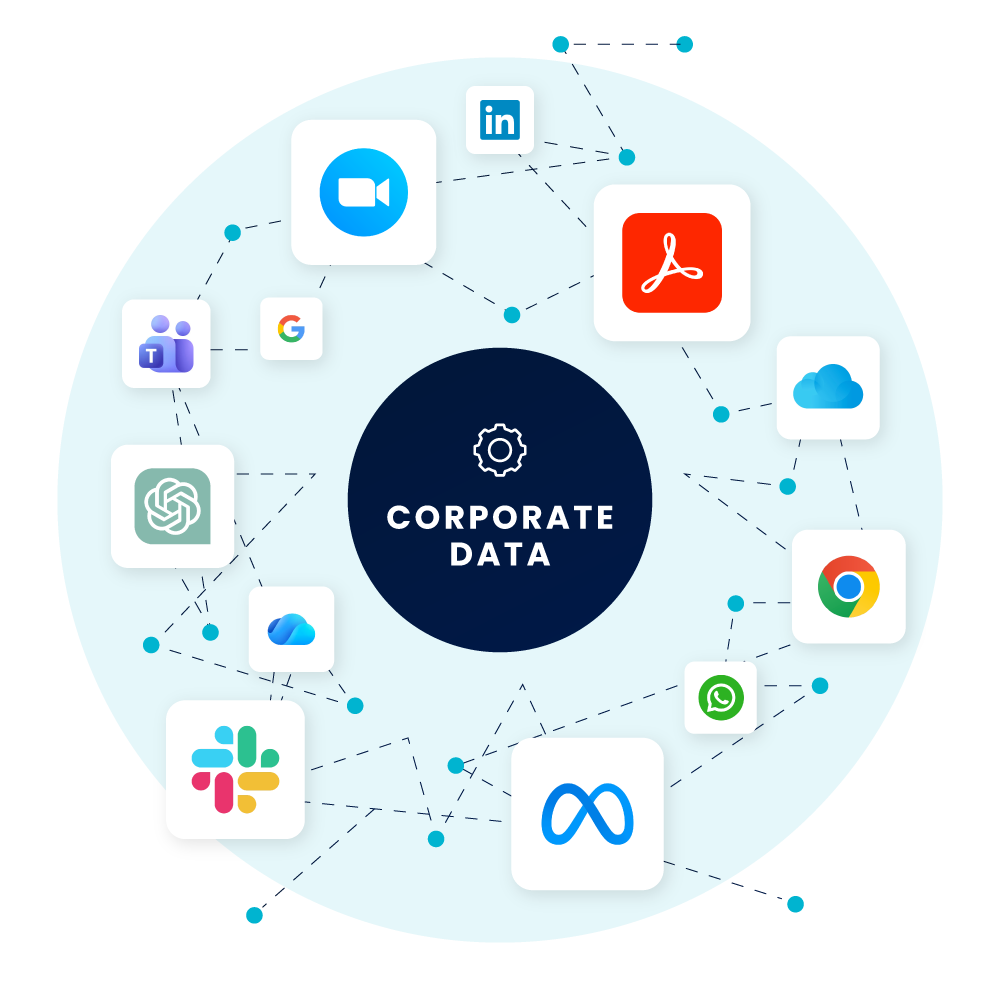
True compliance begins with a risk-based assessment of your data footprint. This means moving beyond static system lists and engaging with key business units to understand where relevant work is likely to occur for a given matter. By documenting why they included certain systems or tools (and reasonably excluded others), legal teams can scope legal holds in a way that is practical, defensible, and aligned with how the organization actually operates.
Visibility, documentation, and rationale matter more than attempting to monitor everything. When organizations demonstrate a thoughtful, repeatable approach to identifying and scoping data sources, they position themselves far better to withstand “failure to preserve” challenges and regulatory scrutiny.
2. Eliminating the “Honor System” Liability in Legal Hold Compliance
There is an inherent fragility in relying on custodians to be their own forensic archivists. Even the most well-intentioned employees can inadvertently trigger “empty trash” commands or lose a device. When a legal team relies solely on manual acknowledgments, they are essentially outsourcing their compliance to the busiest people in the company. This doesn’t mean custodian acknowledgements are invalid or unnecessary.

The risk arises when acknowledgements are treated as the primary safeguard rather than one control within a broader, auditable preservation process.
Modern defensibility requires a pivot toward systemic preservation. By integrating legal hold software directly with your service providers (like Microsoft 365 or Slack), you can implement “in-place” holds. This ensures that even if a user hits “delete” on their end, the data is retained at the architecture level. It shifts the compliance burden from the individual to the infrastructure, which is a much more defensible position in court.
If you are evaluating how to bridge this technical gap, identifying green flags and key features in legal hold software is the first step toward a more resilient architecture.
3. Navigating the Privacy-Preservation Paradox
We are currently operating in a period of intense regulatory tension. In many jurisdictions, legal hold obligations require organizations to preserve relevant information once they reasonably anticipate litigation or an investigation. At the same time, privacy and data protection regimes — from GDPR in the EU to CCPA and emerging frameworks across APAC — place strict limits on how long organizations can retain personal data.
Managing this requires a nuanced approach to data retention. A robust process must include a “release” mechanism that is as disciplined as the “hold” mechanism. Many organizations fall into the trap of “indefinite preservation,” creating a massive, unmanageable data lake that is not only expensive to store but also a goldmine for opposing counsel in future litigation. To navigate this tension without inviting spoliation, legal teams need a holistic view of the legal hold lifecycle and must actively limit data retention to what the law requires.
4. The Auditable Trail: Documentation as Defense
In the eyes of a regulator or a judge, an undocumented action is an action that never happened. If your tracking process involves a legal ops professional manually updating a spreadsheet based on email replies, your audit trail is vulnerable to claims of human error and inconsistency.
To achieve a higher standard of compliance, your documentation must be contemporaneous and automated. Legal teams should capture every notification sent, every reminder issued, and every custodian acknowledgment in a centralized, immutable log.

This level of granularity, offered by tools like Mitratech’s LegalHold, allows you to prove not just that you tried to preserve data, but exactly how you ensured it happened. In fact, 9% of LegalHold clients achieved a 9% increase in compliance rates over the past three years, reaching 91% in 2024.
5. Cultivating Strategic Custodian Engagement
We often treat legal holds as a technical or legal hurdle, forgetting that it is also a communication challenge. A five-page notice filled with dense legalese is a recipe for non-compliance. When custodians don’t understand why they are being asked to change their behavior or what exactly constitutes “data,” they default to their habits.
Insightful compliance involves “human-centric” design. This means tailoring your notices to be clear, concise, and actionable. It involves educating your team on the “trigger events” of litigation long before a subpoena arrives. When your workforce understands their role in the company’s defense, your compliance rates naturally rise.
Constructing Your Modern Framework

The shift from manual to digital-first legal holds is no longer a matter of convenience; it is the only way to maintain defensibility as your organization scales. By addressing the technical, regulatory, and human elements of preservation, you shift from a reactive to a proactive posture.
For a deeper exploration of these strategies and a step-by-step implementation guide, read our full analysis: Driving Legal Hold Compliance in the Digital Age: Your Roadmap.
Frequently Asked Questions
-
What is legal hold compliance?
Legal hold compliance is an organization’s ability to consistently identify, preserve, track, and release relevant data when litigation or investigations are reasonably anticipated. True compliance requires defensible, repeatable processes – not just issuing a hold notice.
-
What are the biggest risks of poor legal hold compliance?
Weak legal hold compliance can lead to spoliation sanctions, adverse inference rulings, regulatory penalties, increased litigation costs, and reputational damage — especially when organizations can’t prove reasonable preservation efforts.
-
Is issuing a legal hold notice enough to be compliant?
No. While custodian notices are important, legal hold compliance also requires systemic preservation, audit-ready tracking, follow-ups, and the ability to prove that data was actually preserved, even if a user deleted it.
-
What role does legal hold software play in compliance?
Legal hold software supports compliance by automating notifications, tracking acknowledgments, enabling in-place holds with systems like Microsoft 365 or Slack, and creating a defensible audit trail that holds up in court.

